SPIN • Micro-Mobility
Expanding the range of an EV micro-mobility system by designing a sustainable swappable battery ecosystem.
3d design
storytelling
systems design
service design
design research
Project Objective
Design a system that enables swappable batteries for SPIN’s growing micro-mobility ecosystem.
role
Interaction Designer
timeline
4 months
core team
2 Industrial Designers
1 Interaction Designer
1 Design Researcher
Key Skills
UX/UI design
Storyboarding
Service design
tools & methods
Sketch
User interview
When we first started this project SPIN already had their flagship electric scooter out on the market, but had plans to release a new generation and add an e-bike in the near future too.
With such a large increase in their fleet of vehicles it was going to be more important than ever for SPIN to figure out a way to decrease the amount of unnecessary vehicle downtime and parking space used by vehicles having to sit and charge in place.

?
central question
How might we create a best-in-class experience for shared e-bikes and scooters while also supporting a secure system for battery swapping?
Design research
Across both riders and workers, what might the primary problems and opportunity areas be when it comes to swapping batteries?
10
Rider Interviews
Shared scooter & bike riders
Personal scooter & bike owners
7
Looking-In Conversations
Government Partnerships
Operations
Product
5
Ops Team Interviews
Shift leads, drivers, warehouse employees
3
Expert Interviews
Former Citibike Angel
Participant in Bird’s Monthly Rental Program
Former PM for User Incentives @ Citbike
OPPORTUNTIY
Small Vehicles Create Big Value
What we heard from our research was that, whether it’s saving money, avoiding traffic, staying active, or just having the convenience of not having to buy and own a vehicle themselves— people love the benefits of having publicly shared micro-mobility options like bikes and scooters.

ChrisDoorDasher
"I could have chosen to use my car, but I knew I was going to make the most profit going on the scooter."

MaggieCasual rider
"Yeah, I mean there's really no scenario where I can think of a bad time to use a scooter."

problem #1
Riders don’t want to be responsible for swapping out the batteries themselves.
Even if there were A rewards incentive, most riders told us they wouldn’t want to the responsibility of doing “maintenance work” (swapping batteries) while they’re using a shared scooter/bike.

Jake, rider
"If you were being asked to swap out the battery on a bike, you would avoid that bike at all costs"
problem #2
EV batteries are susceptible to theft and tampering, especially for publicly shared scooters and e-bikes.
Shared vehicles are built to be durable, but are often left strewn on sidewalks or vandalized—treated as a transaction rather than a community resource.
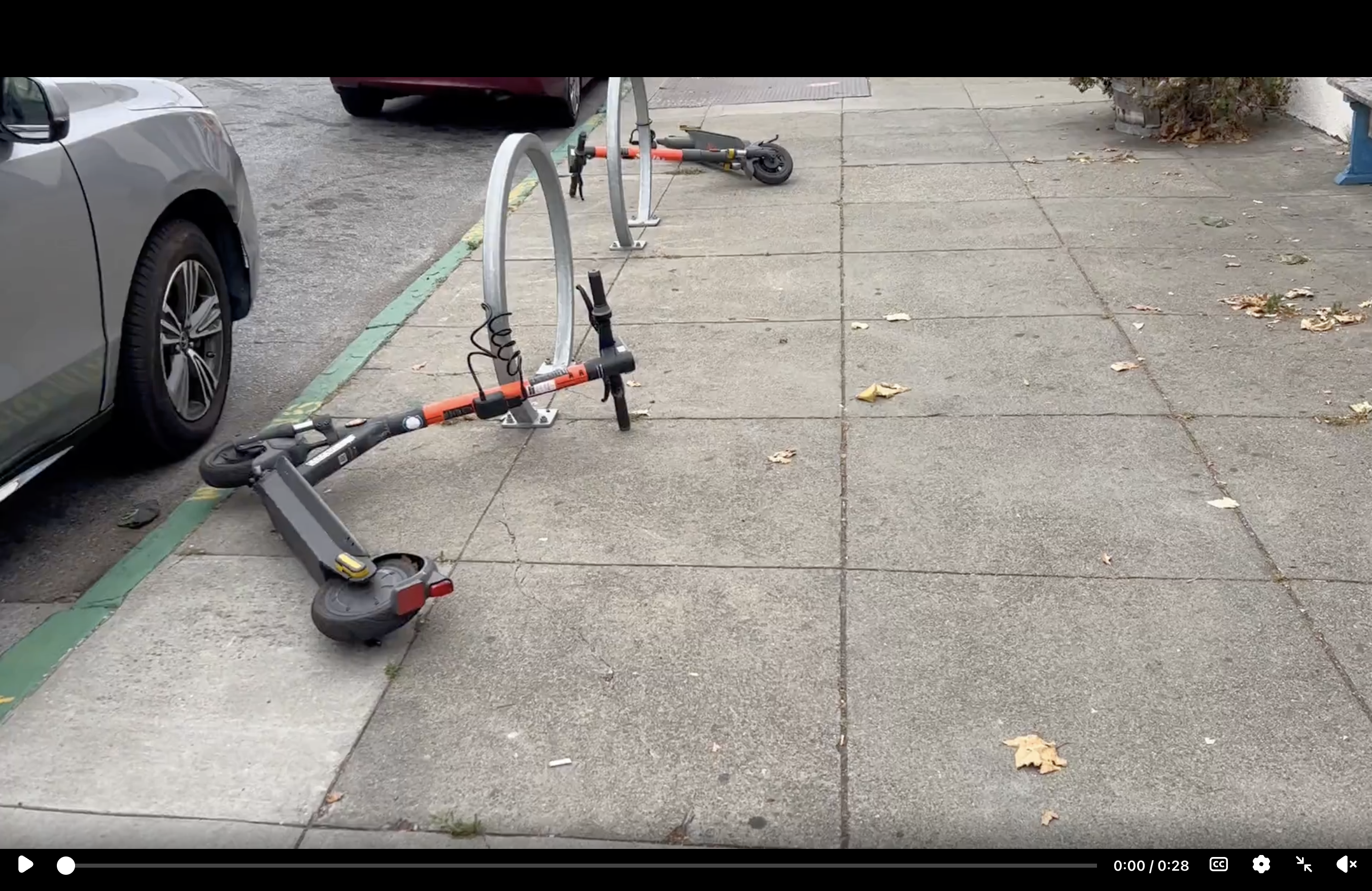
It needs to be super easy for people to do the right thing— whether parking neatly or returning a bike to a hub.
design solution
Leave the responsibility of battery swapping to the trained professionals and let the riders just focus on riding.

Deters theft
and vandalism

Minimizes the need for infrastructure

Reduces the risk of improper swapping

Eliminates work that’s not worth the reward
Make Battery Access Easy But Secure
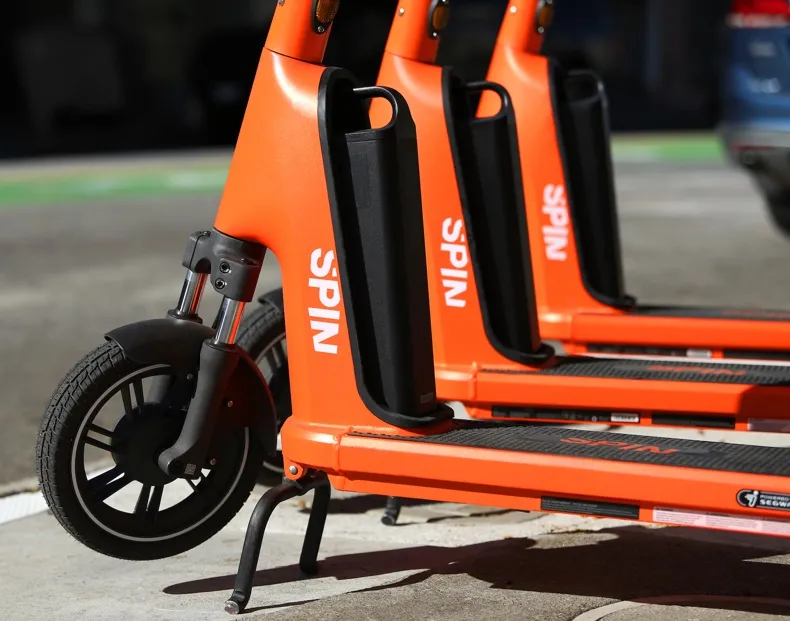
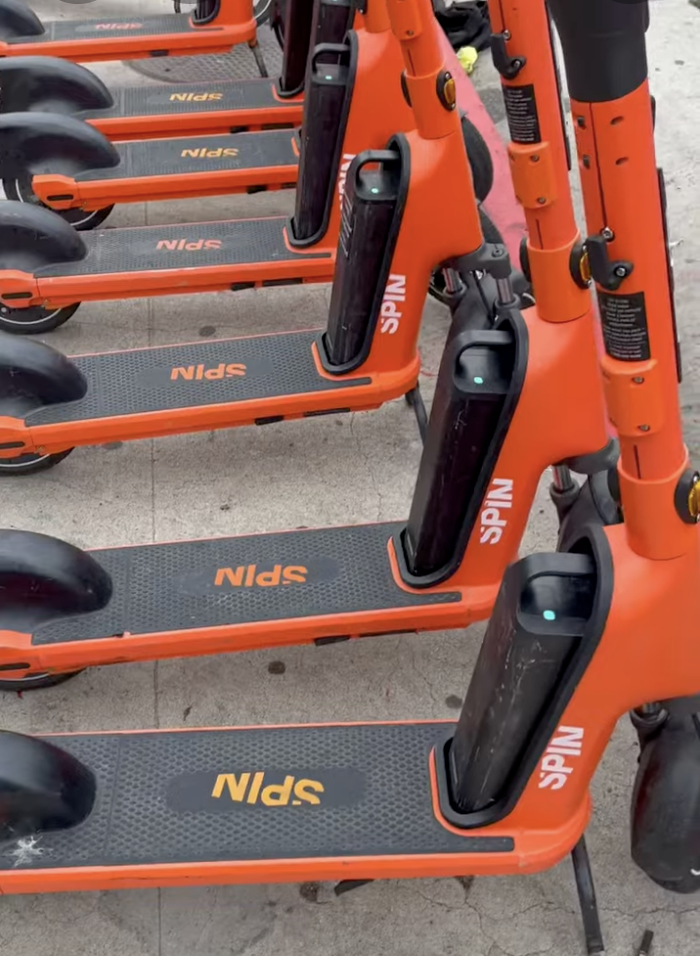
Enclosed Battery Compartment
Protects against water, dirt, and theft (can only be unlocked by ops team)

Vertical Battery Swapping Access
Battery holder rotates up allowing Ops to easily lift battery up and out.
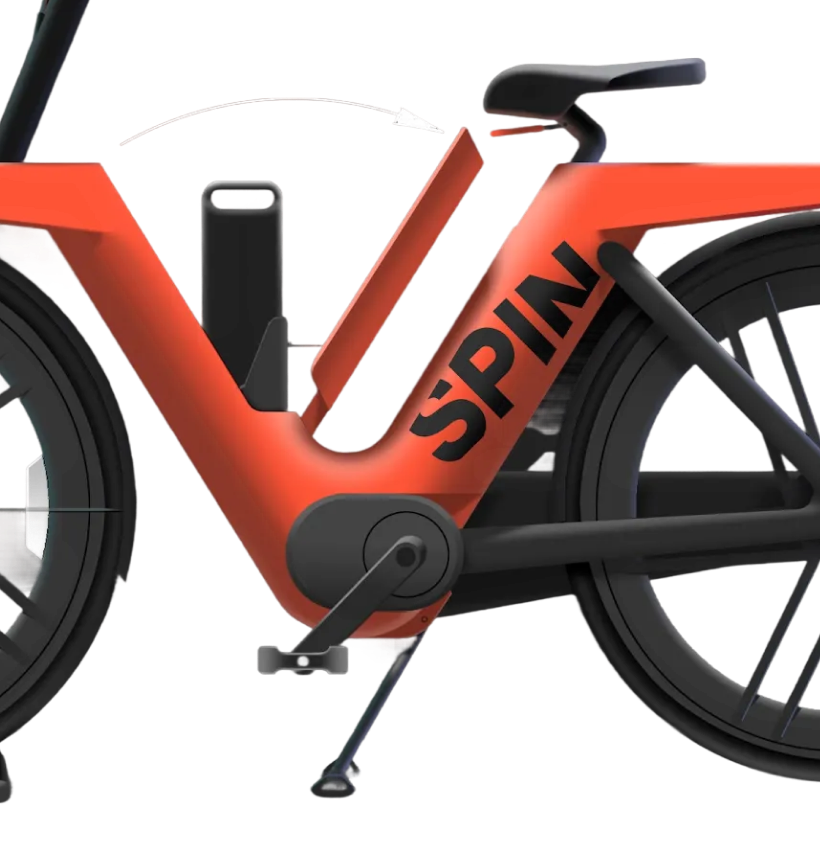



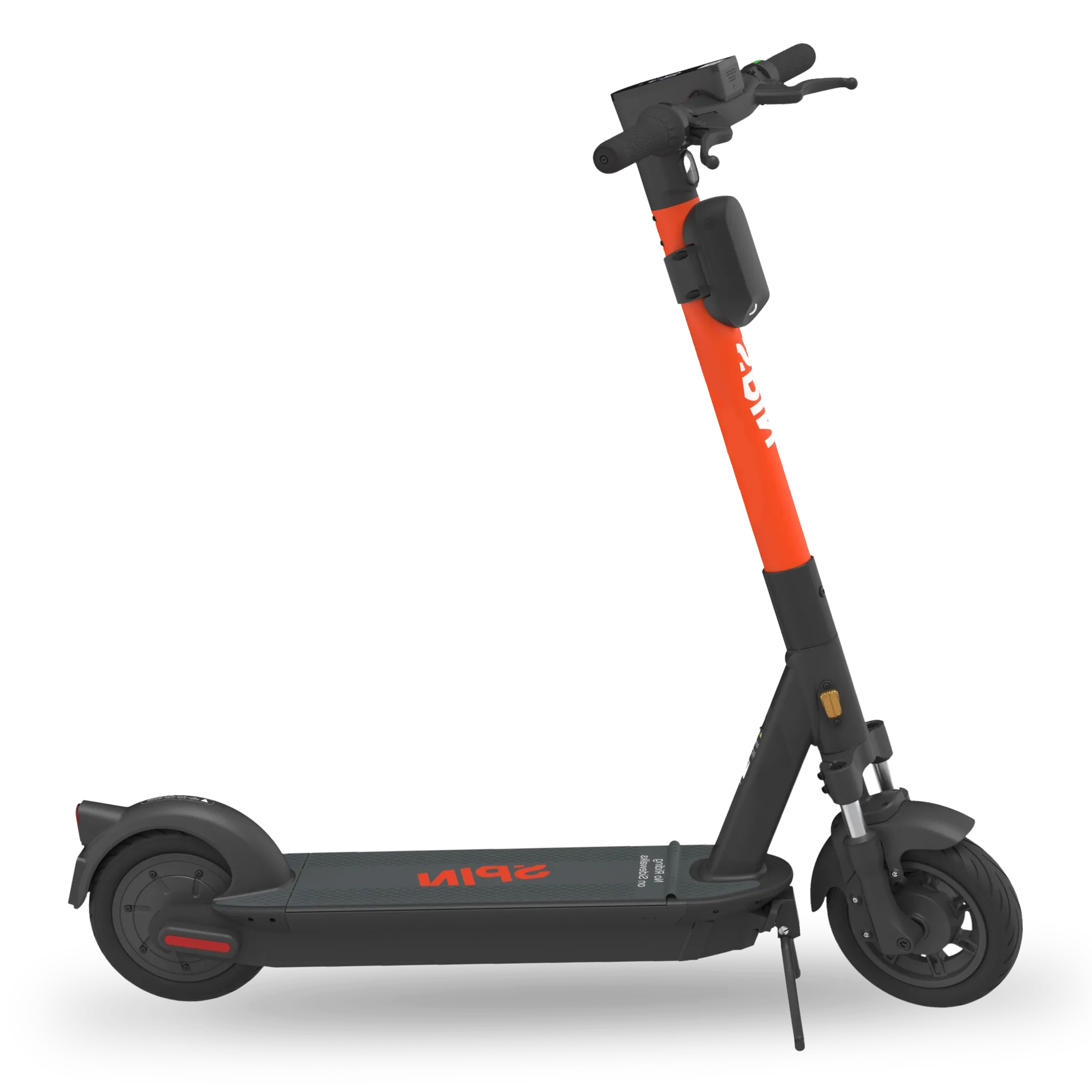
Concept rendering from project (2020)
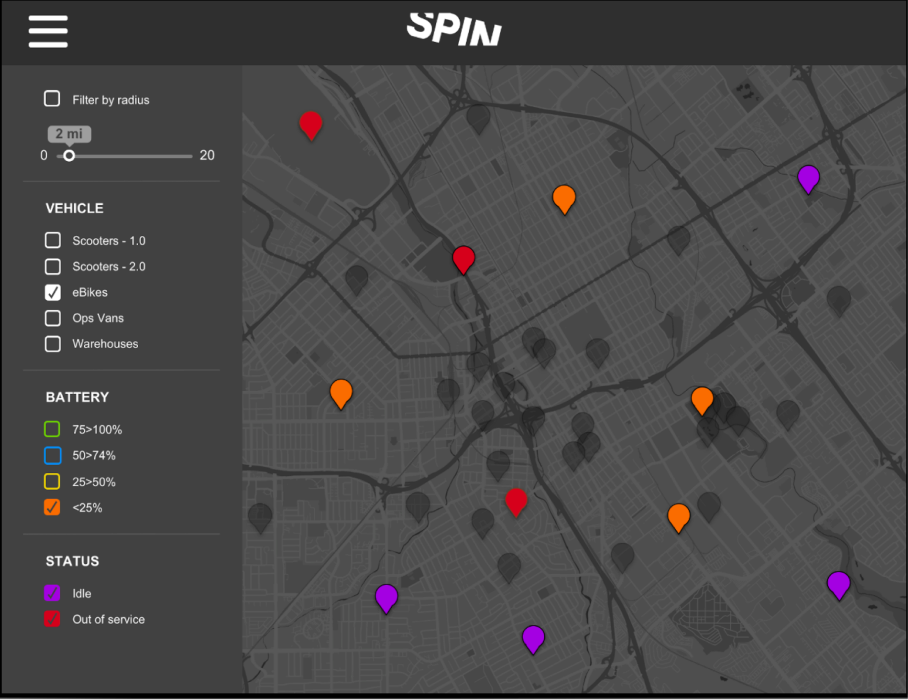
Optimize Field Operations
Increase the efficiency of field ops teams by allowing them to easily find vehicles that need a new battery or other servicing.










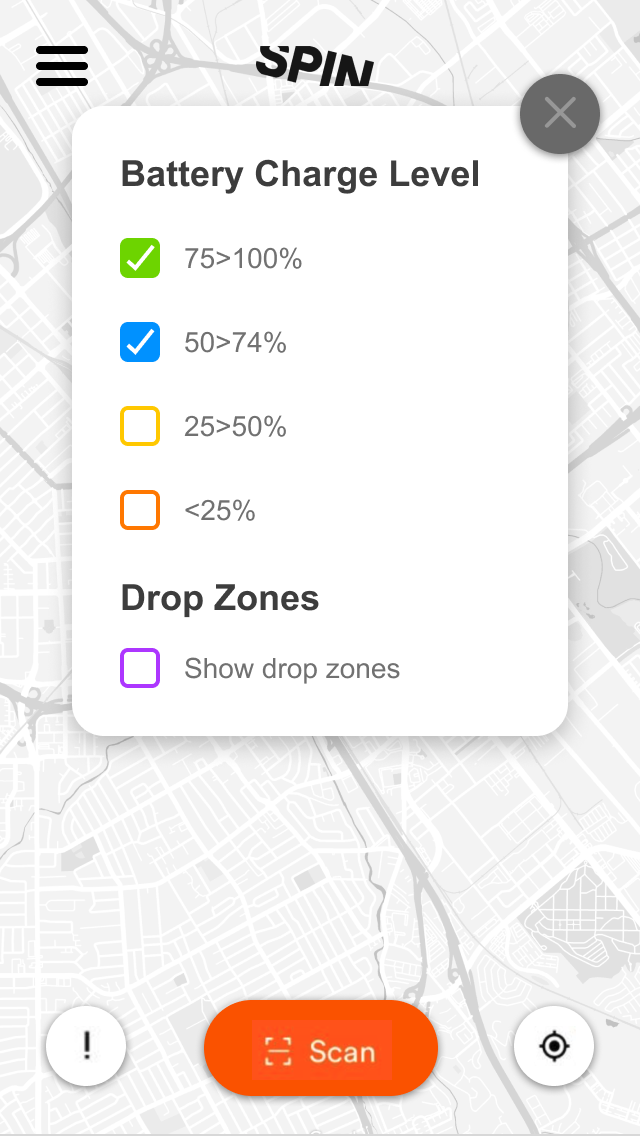
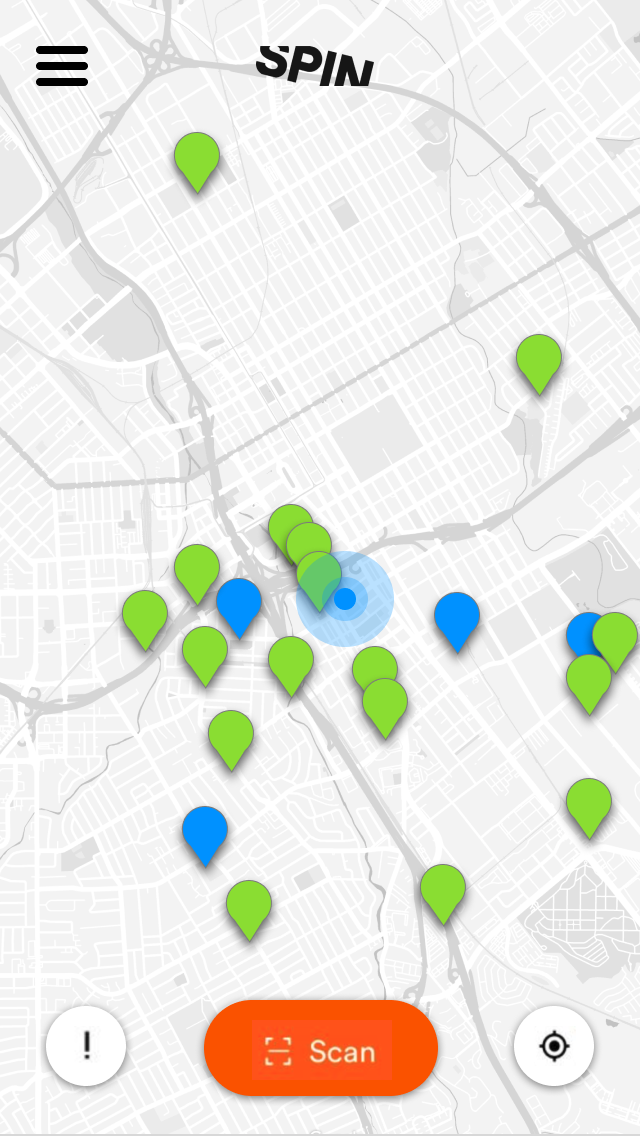
Make it easy to find vehicles with charged batteries
Increases rider confidence by allowing them to search for only bikes and scooters with battery levels within a certain range.
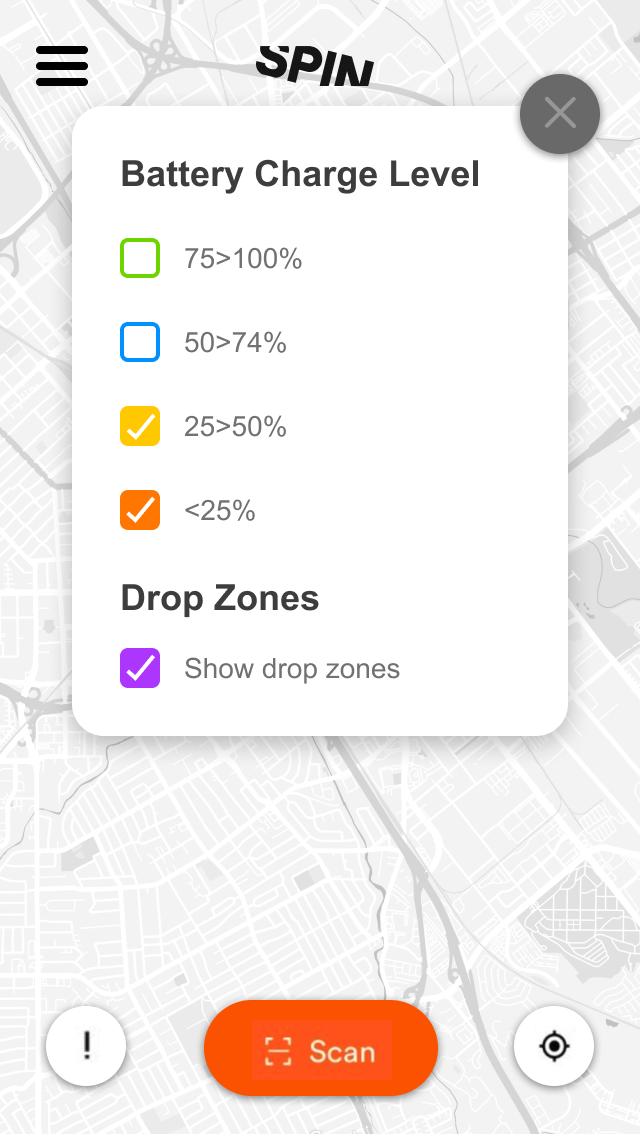
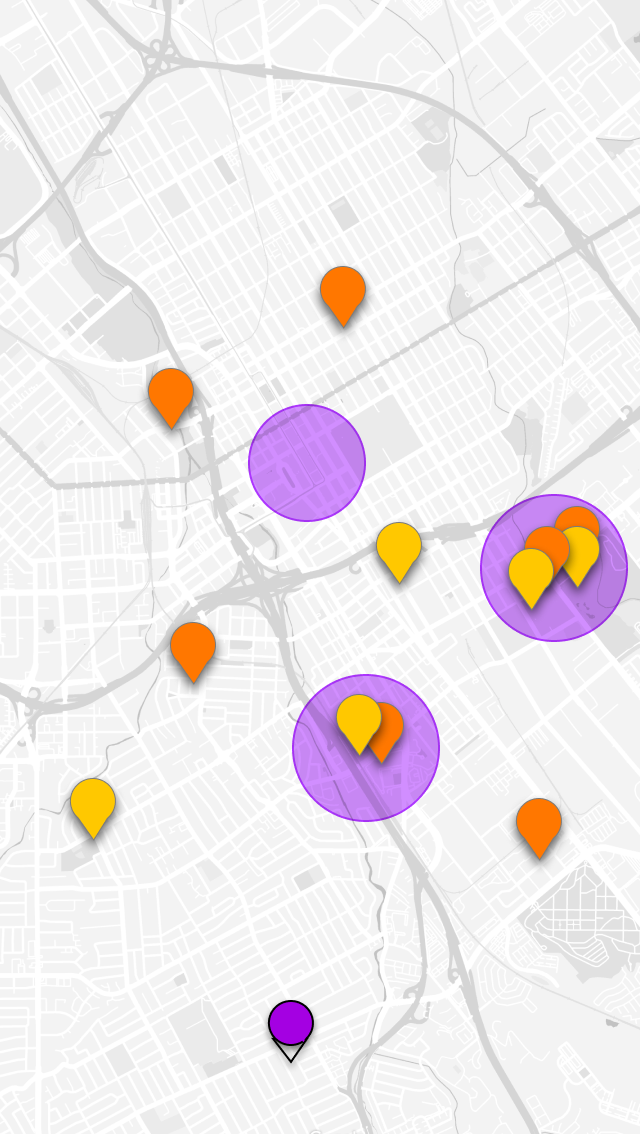
Centralize drop-off locations for vehicles with low batteries
Makes it easy for riders to know exactly what to do and where to go when their scooter or bike is going to need a battery swap.
implementation
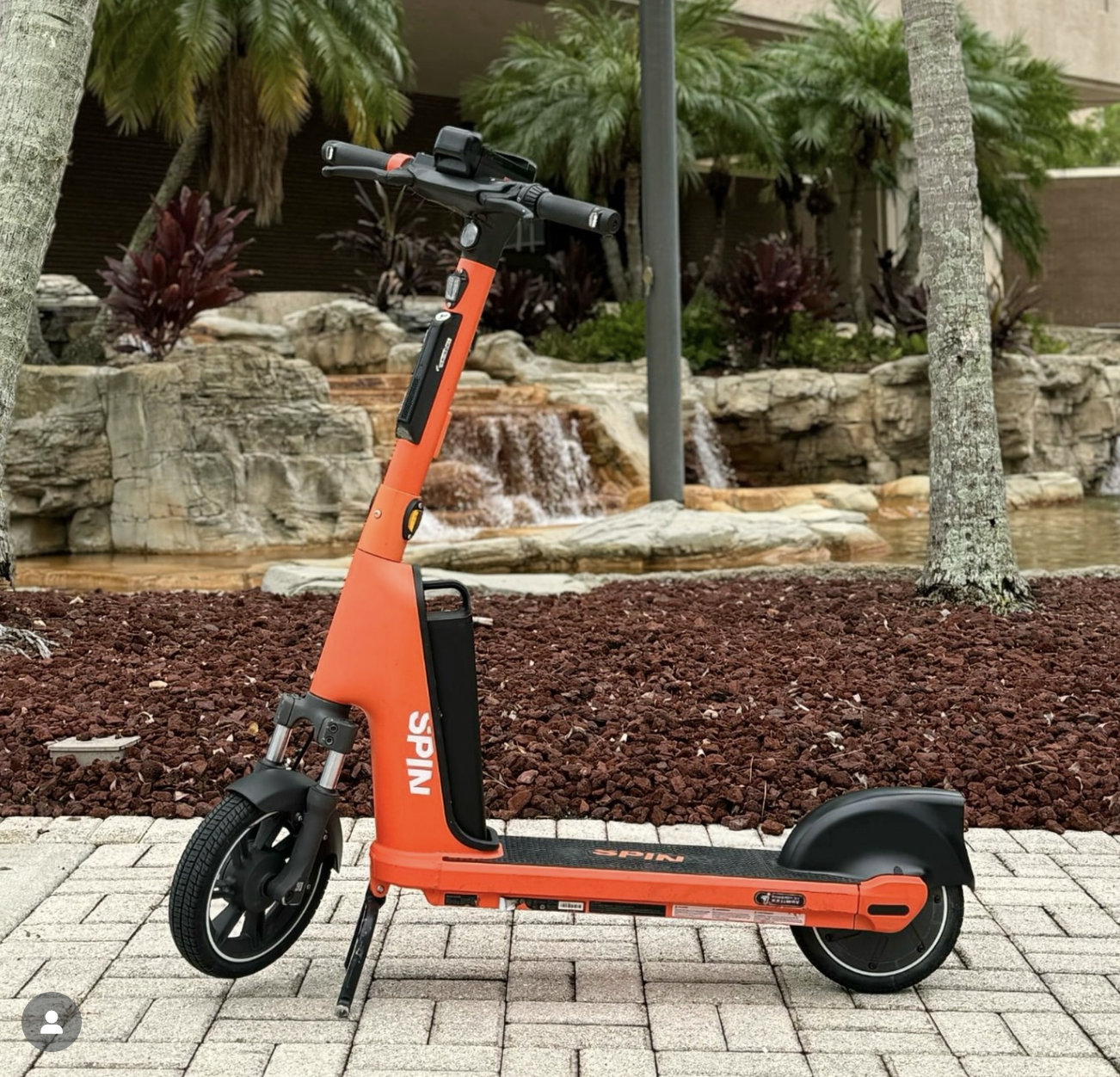
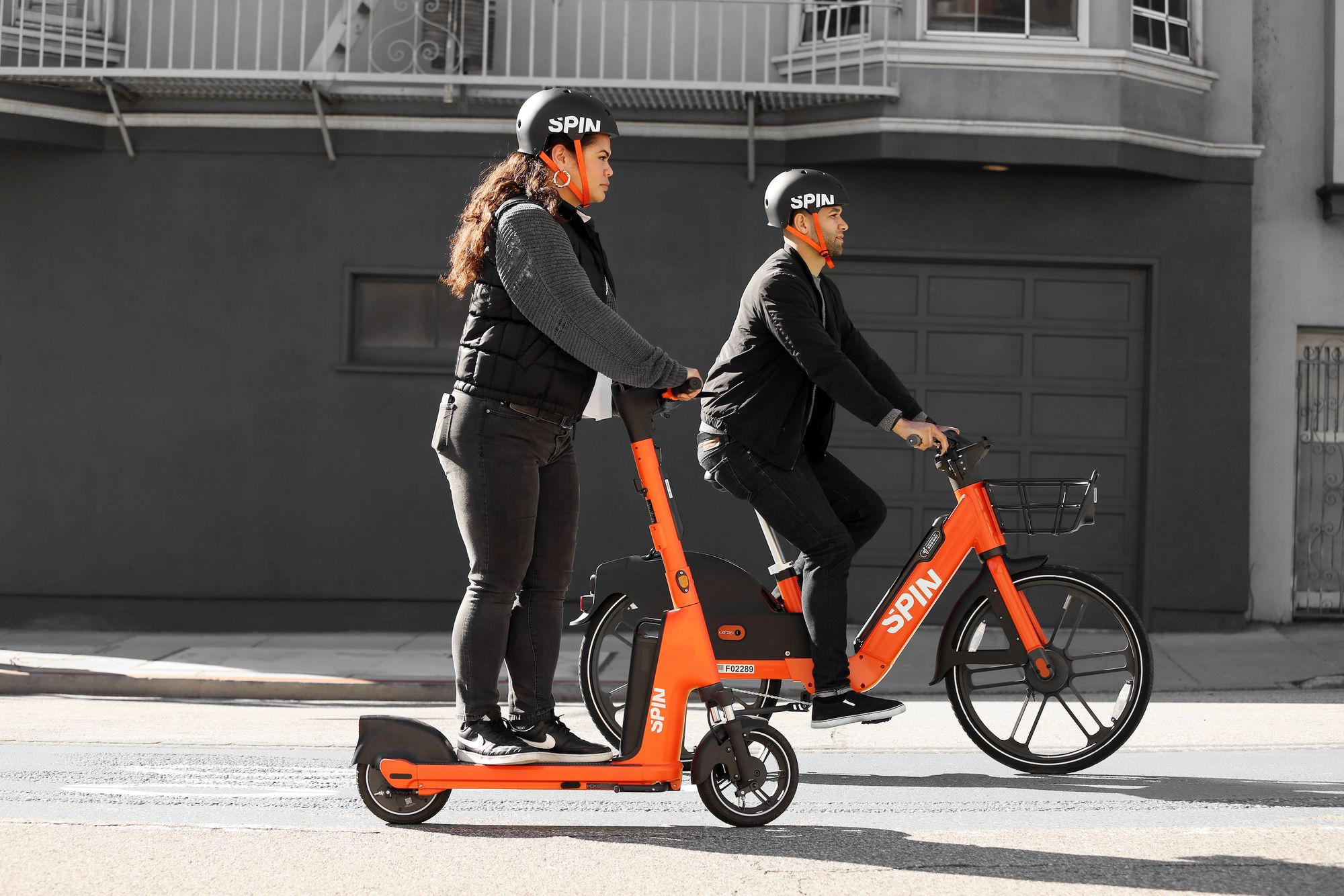
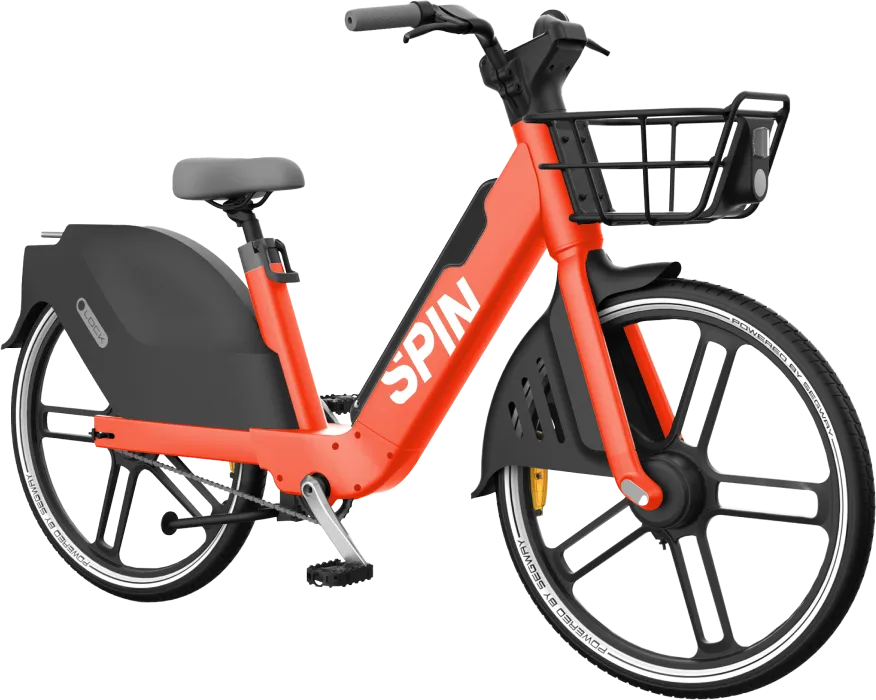
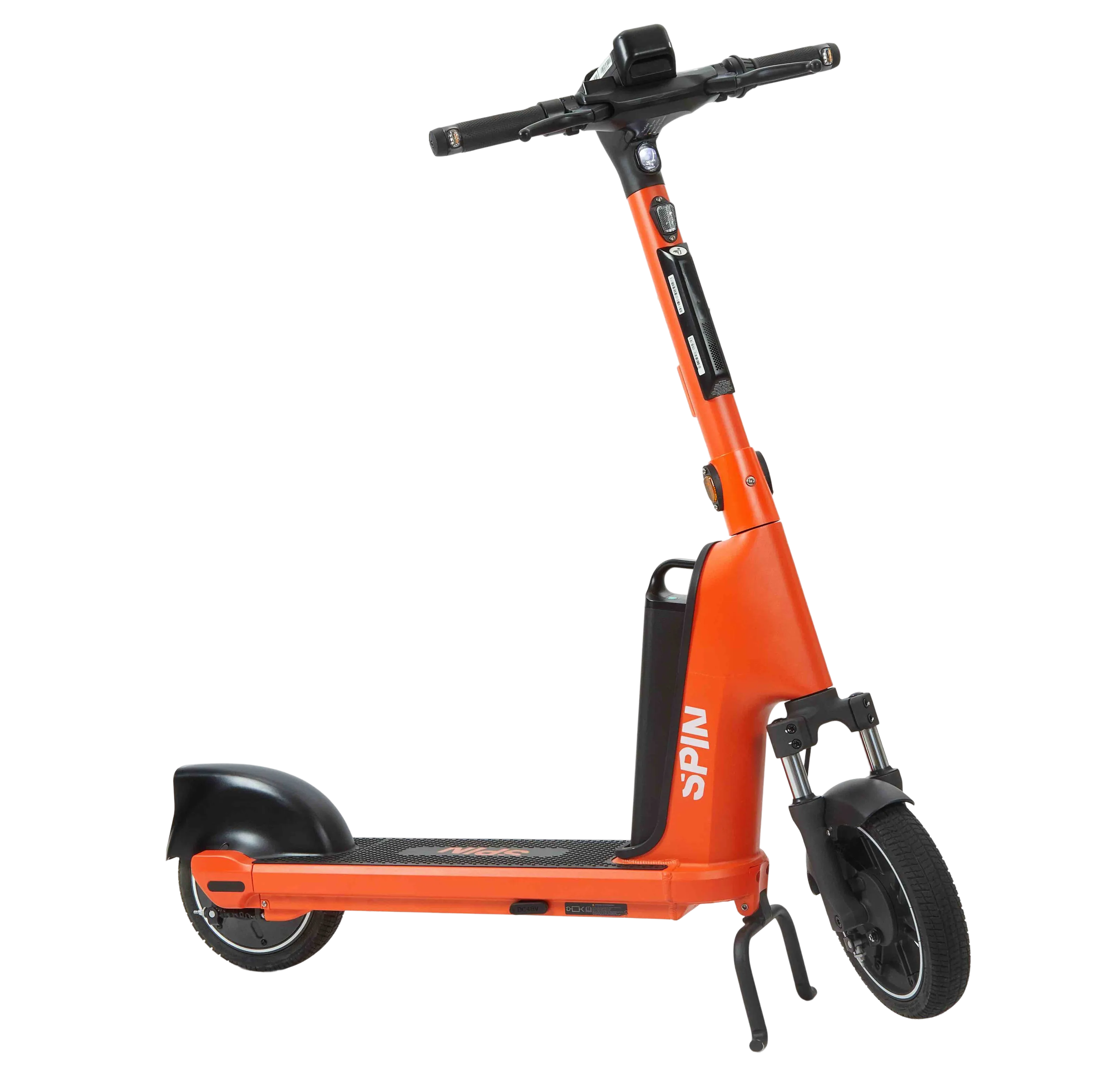
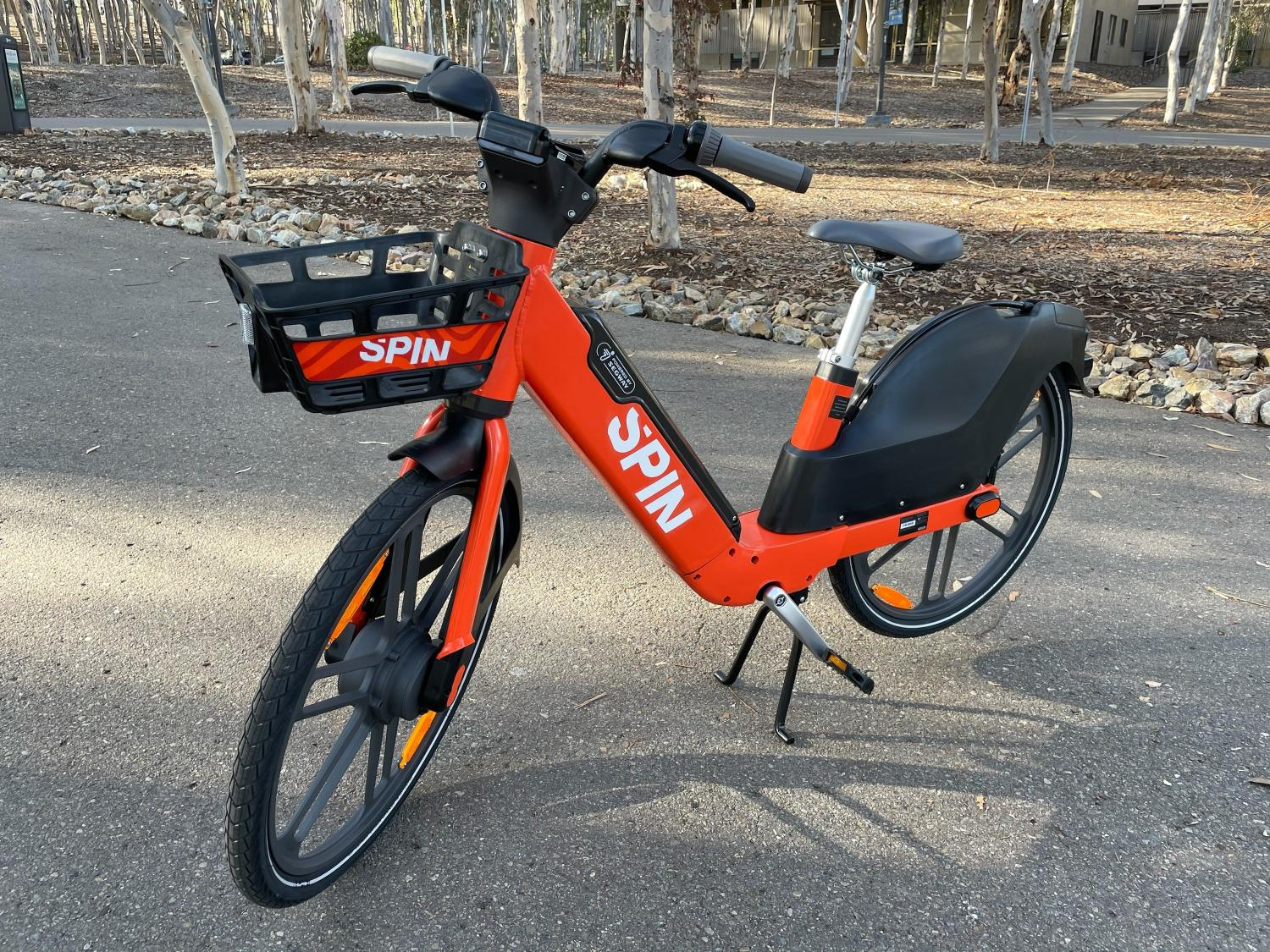
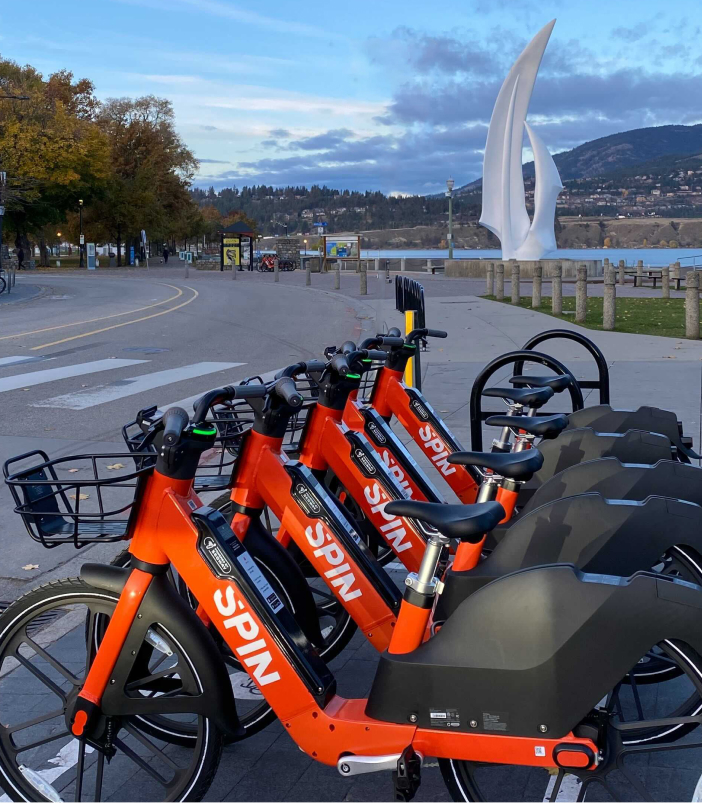
Building off of our design recommendations, the SPIN team continued product development and released both their next generation e-scooter and new e-bike in 2023 with swappable batteries.
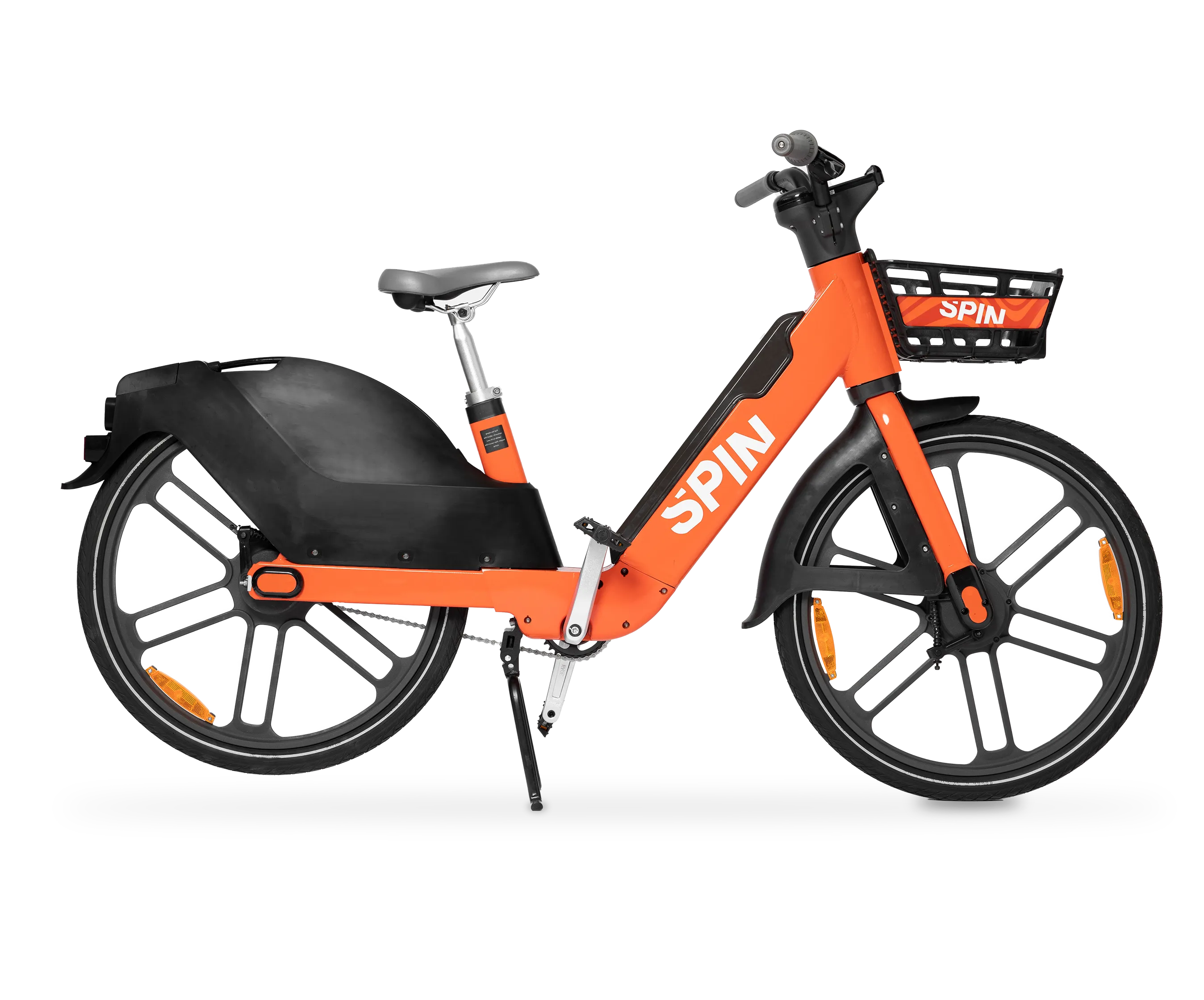
SPIN’s S-3000 e-bike (released in 2023)
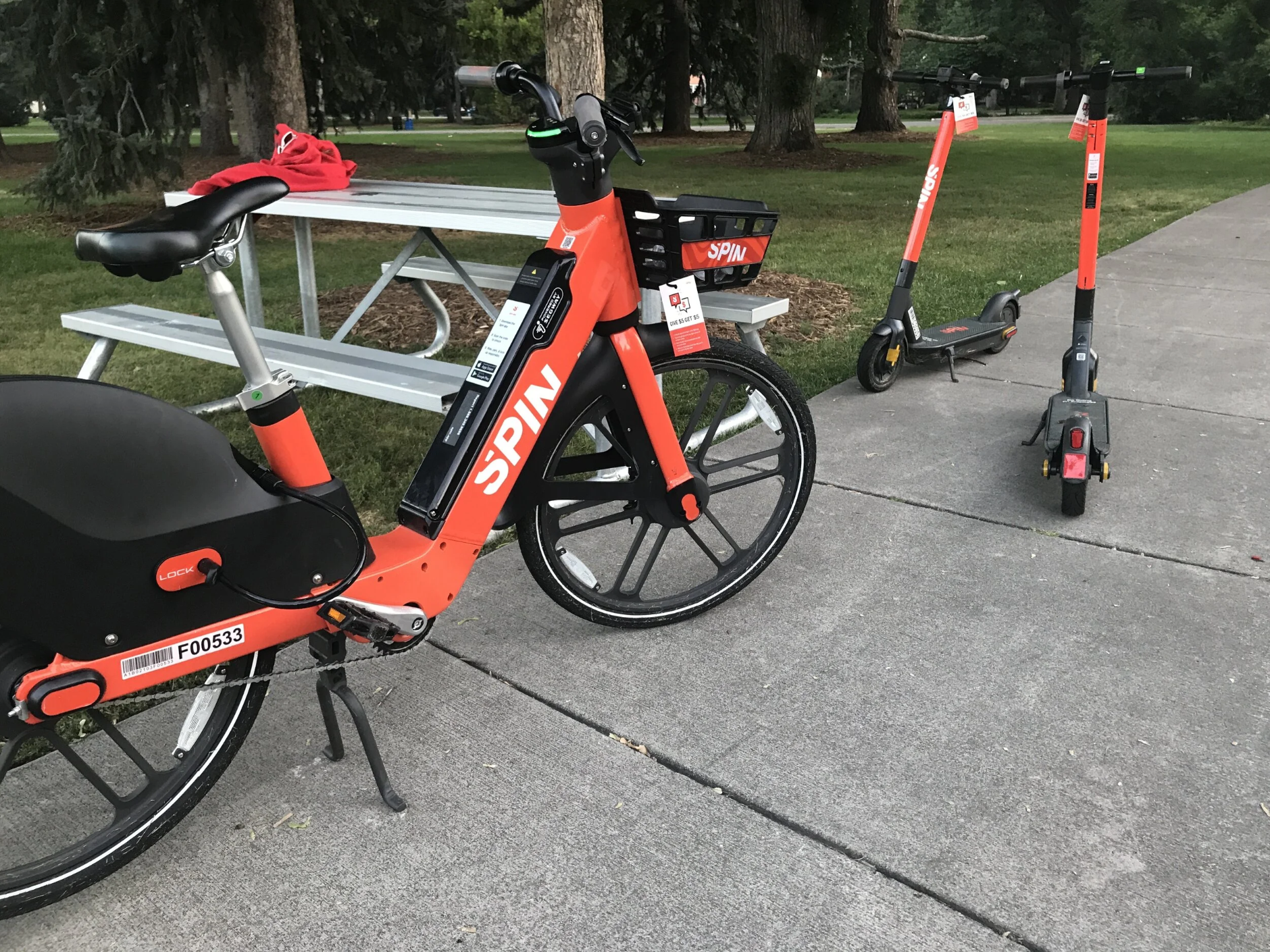
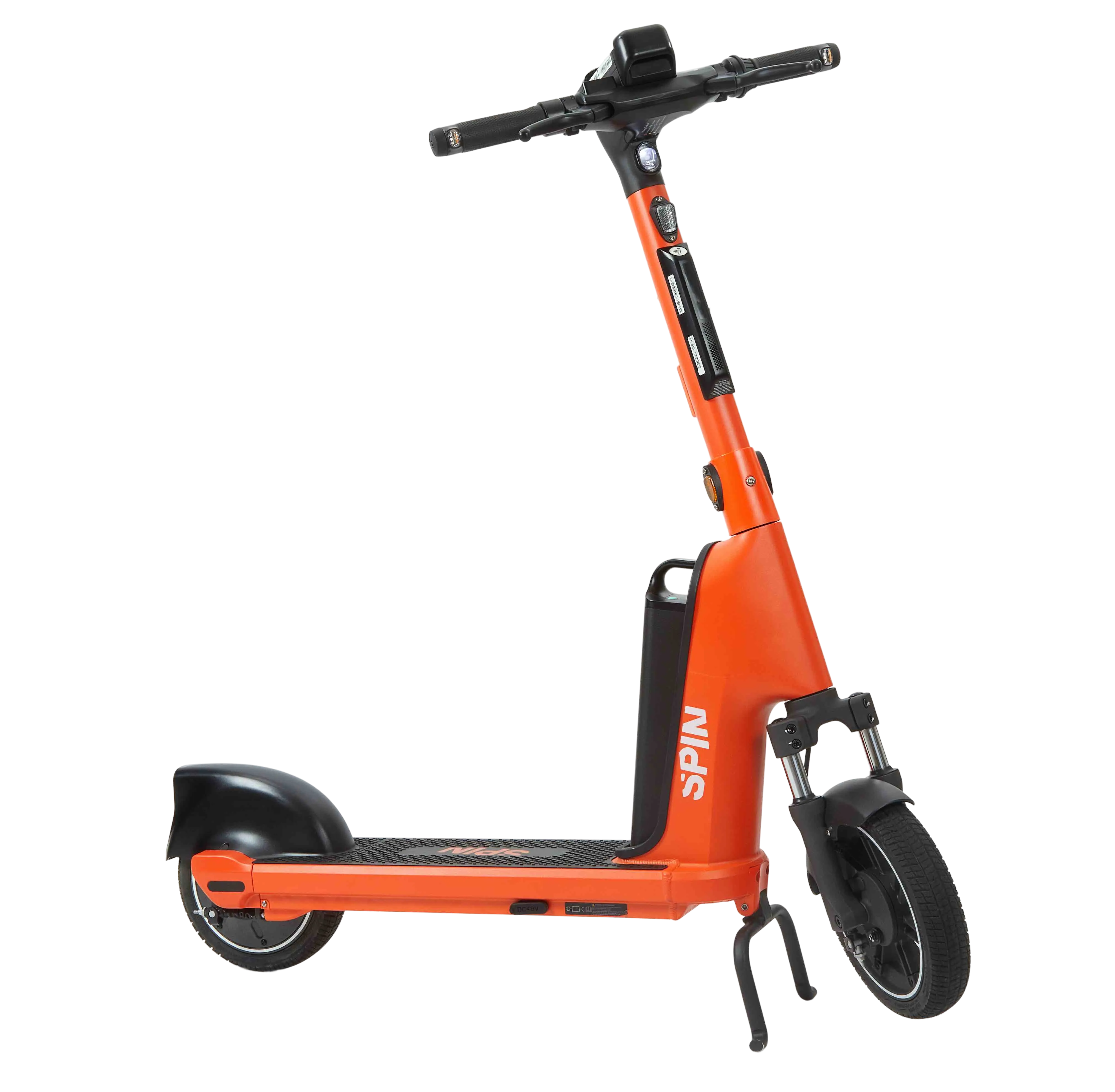
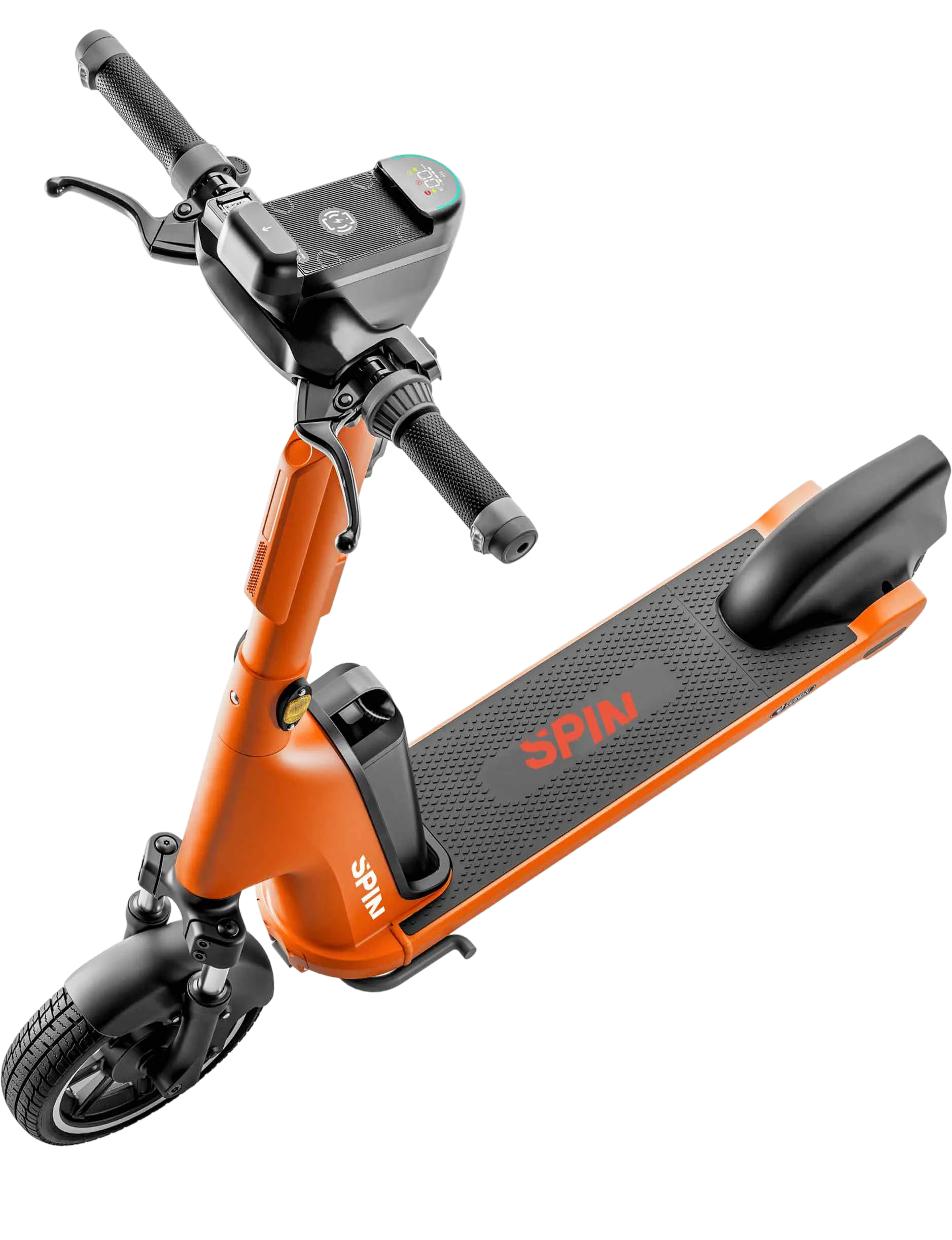
SPIN’s Spin 6 scooter (released in 2023)