

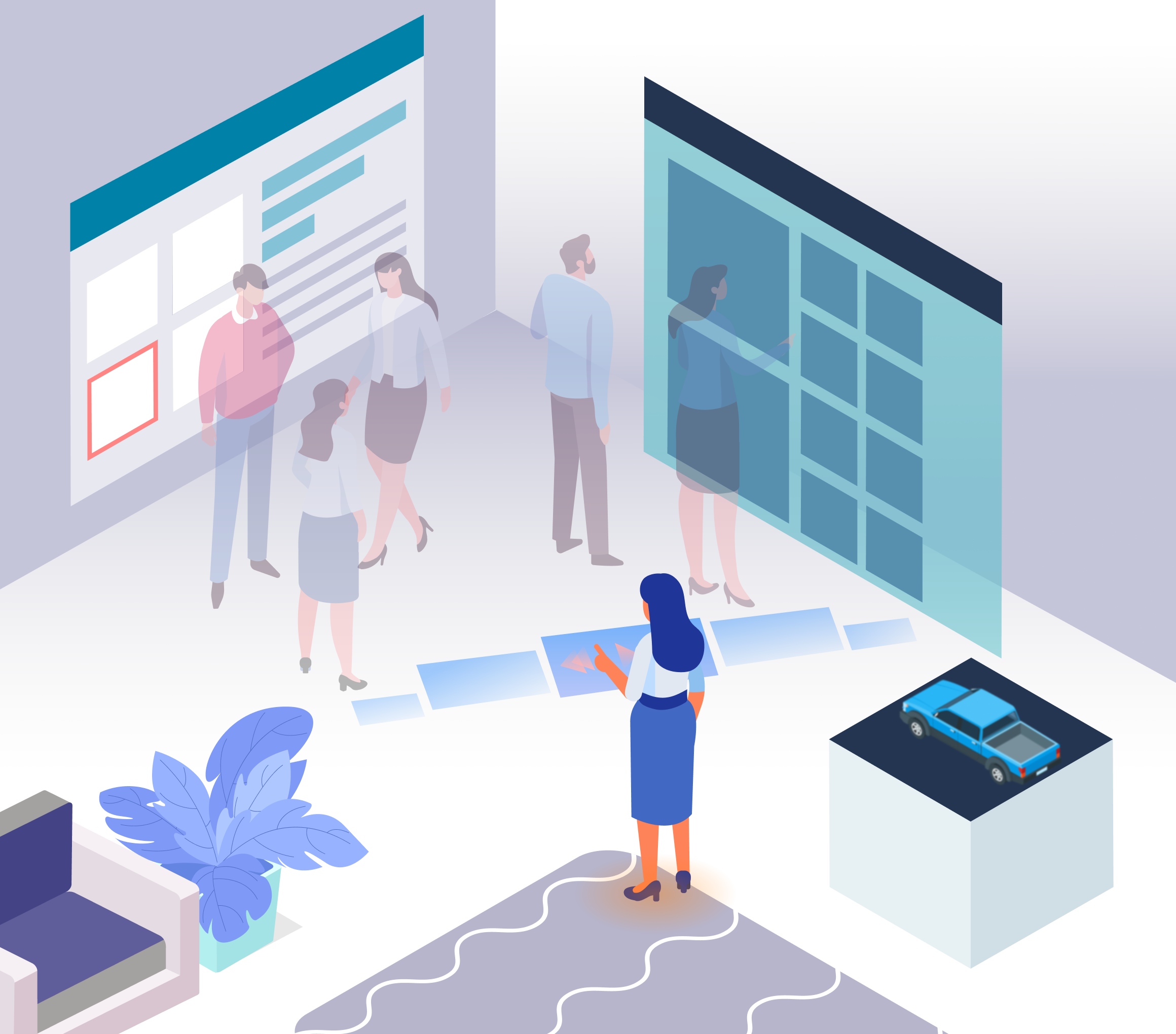
Ford • Virtual Experiences
Increasing workplace productivity and async collaboration through hybrid-reality environments.
Project Objective
Explore ways that VR could be used to enable and enhance employee onboarding and training, remote and asynchronous project collaboration, team bonding, and personal well-being.
role
Interaction Designer
timeline
7 months
core team
3 Information Technologists
1 Project Lead
1 Interaction Designer
Key Skills
Concept ideation
Storyboarding
tools & methods
Analogous research
Central Question
How might we use current and future technologies to enable virtual experiences and improve the remote employee workplace experience?
Final Concepts
New Hire Onboarding
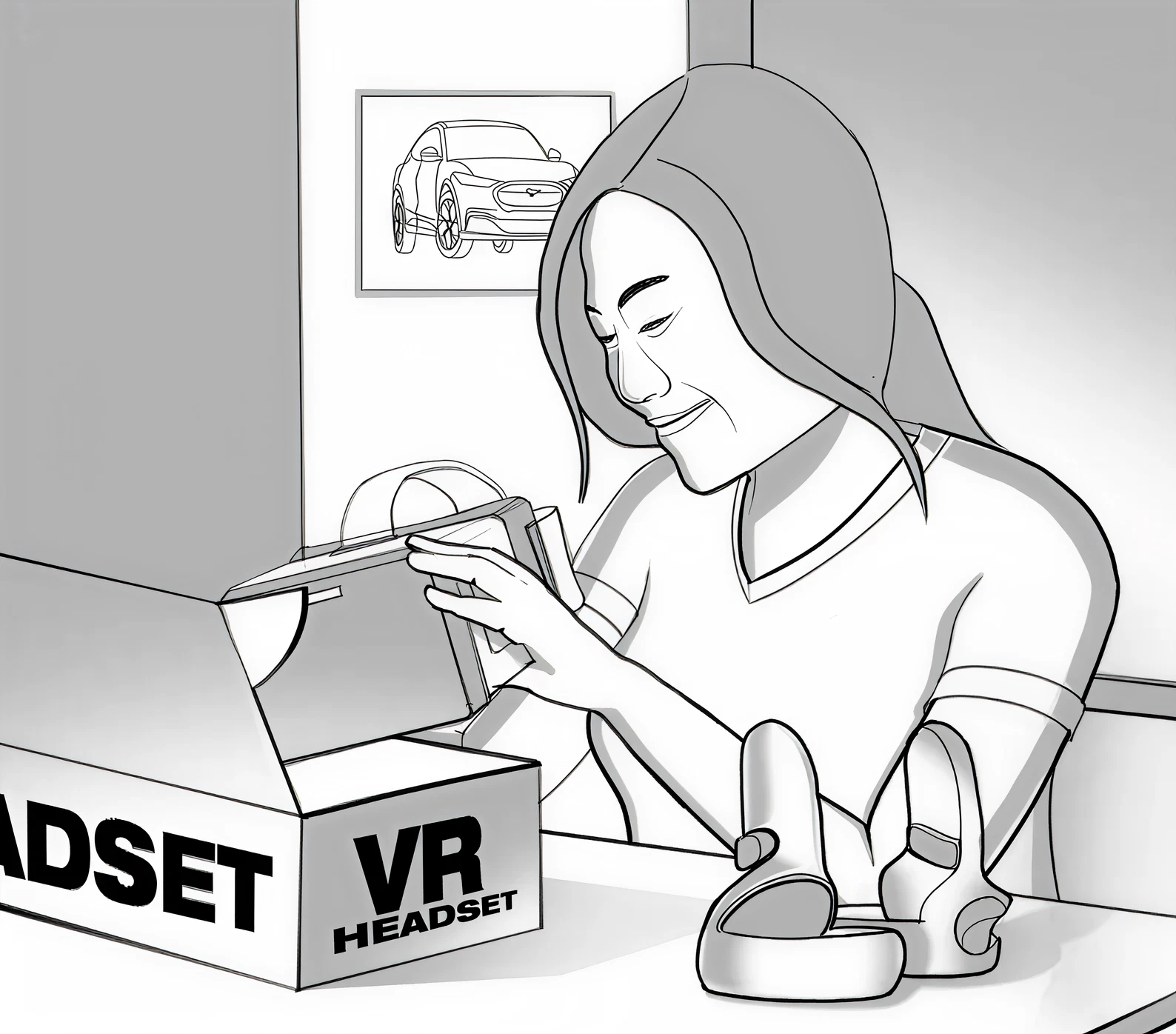
New Hire VR Kit

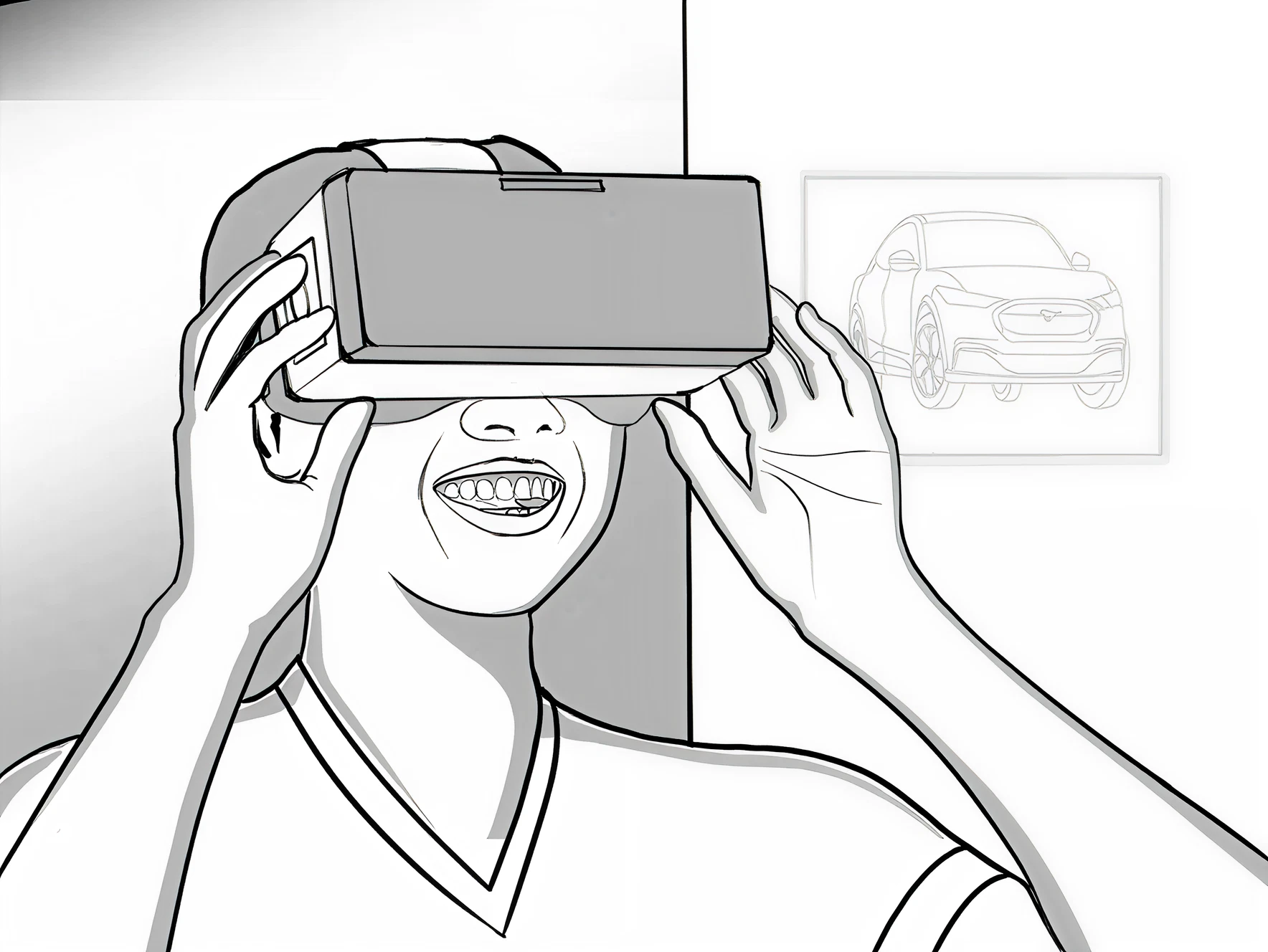



Real
World
VR
World


Welcome Experience

Guided Tour

Meet & Greet
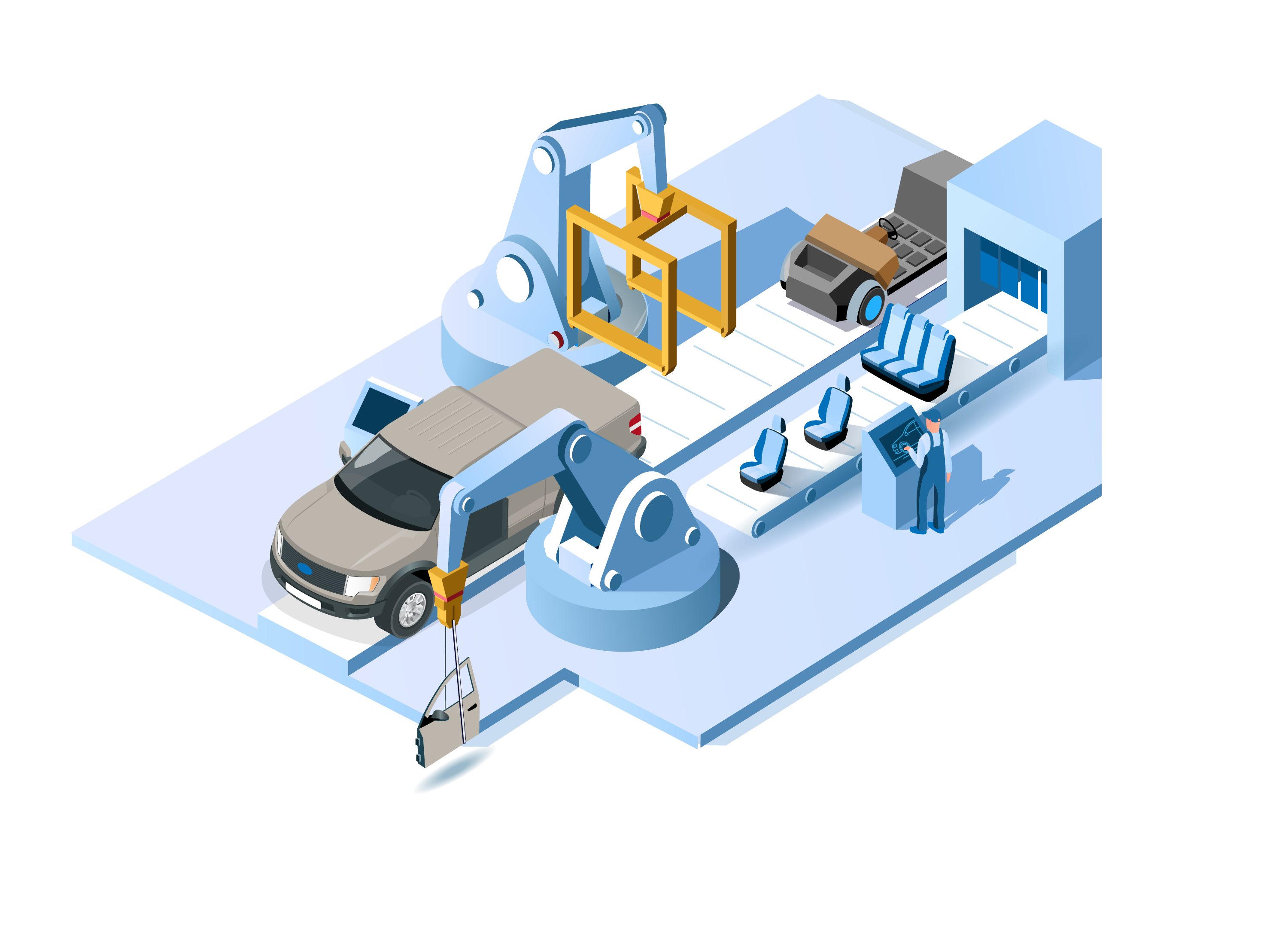





Immersive Learning

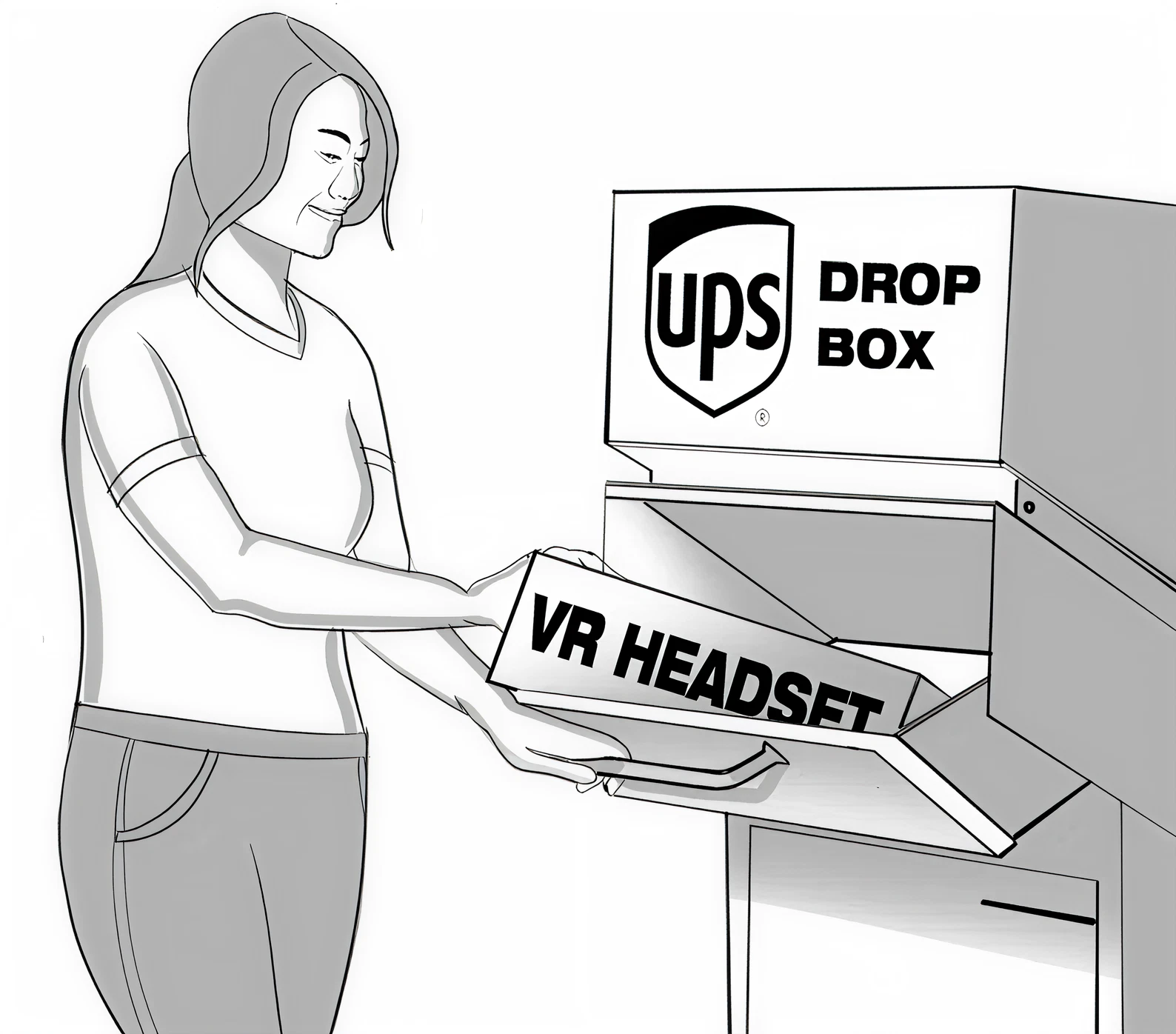
Kit Return
Employee Training









Made for VR


Immersive Experience

Empathy Building POV


Embodied Tests
VR Offsite





Communal Space








Sandbox

Break Room







Escape Room







Play Space
Energy Rooms
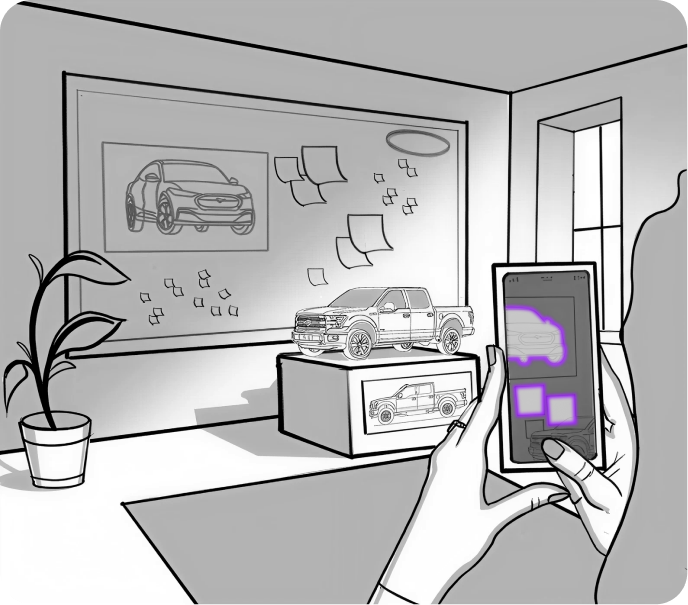
Bridging Realitites

Virtual Space

Contextual Changes

Spacetime History
VR Operating System
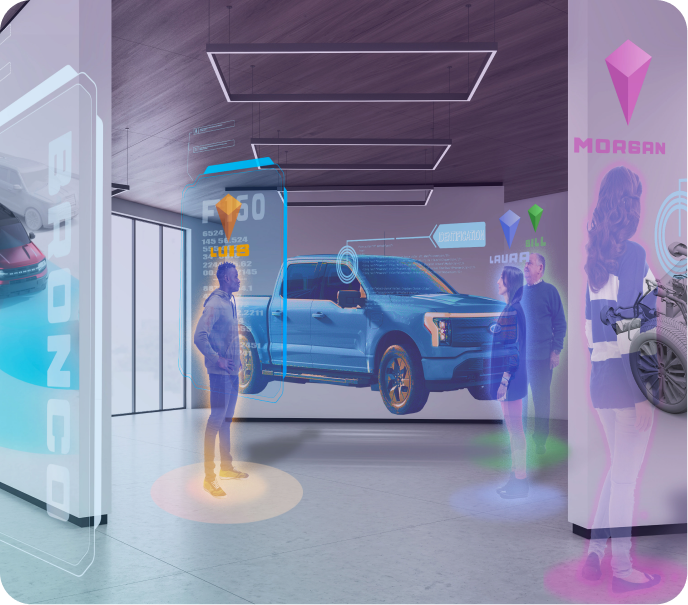
Discovery
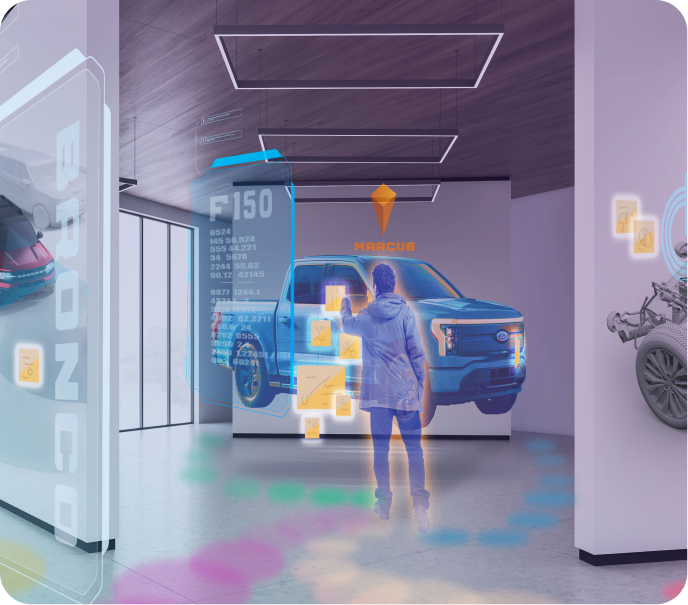
Presence Trails
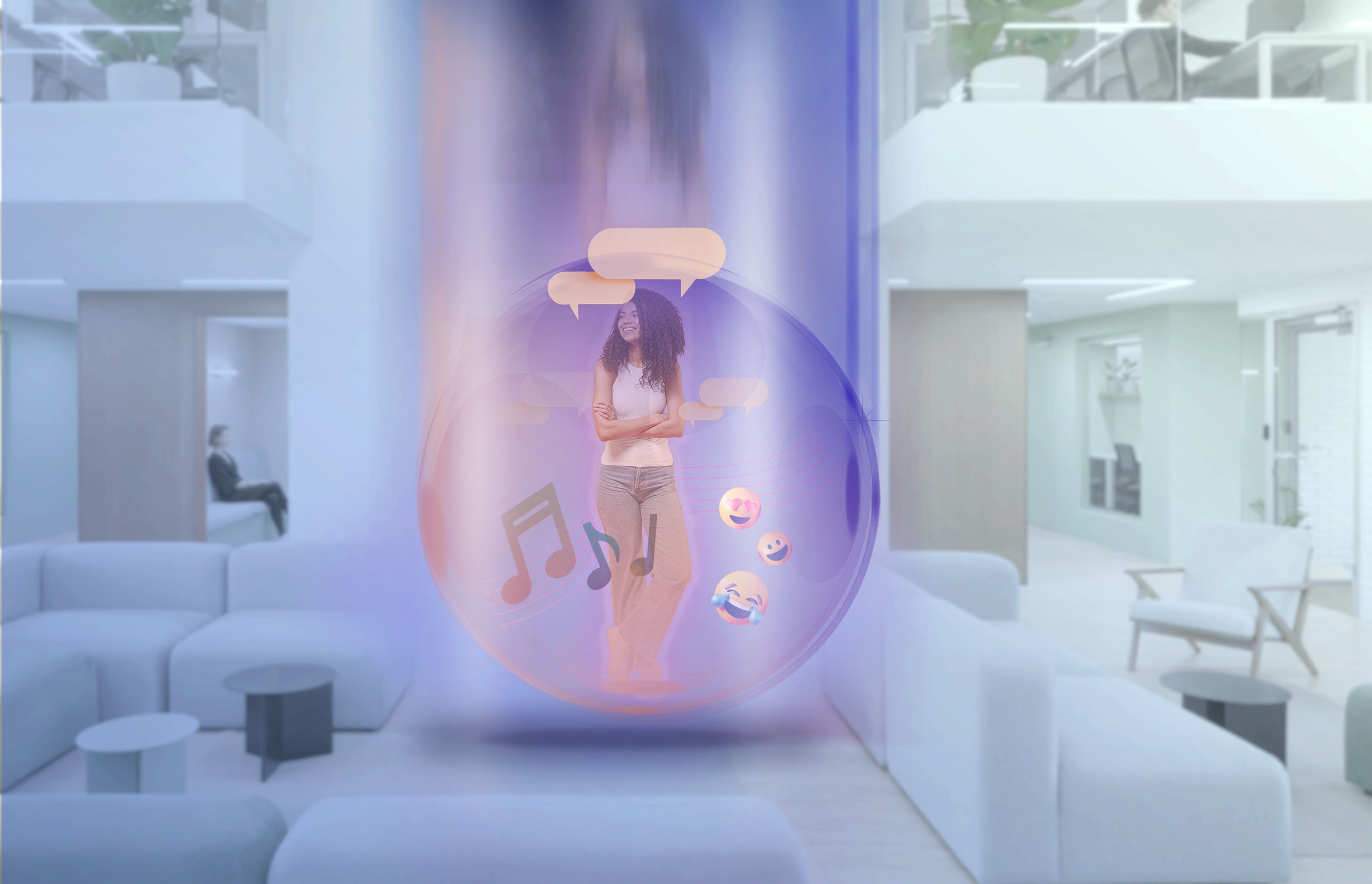


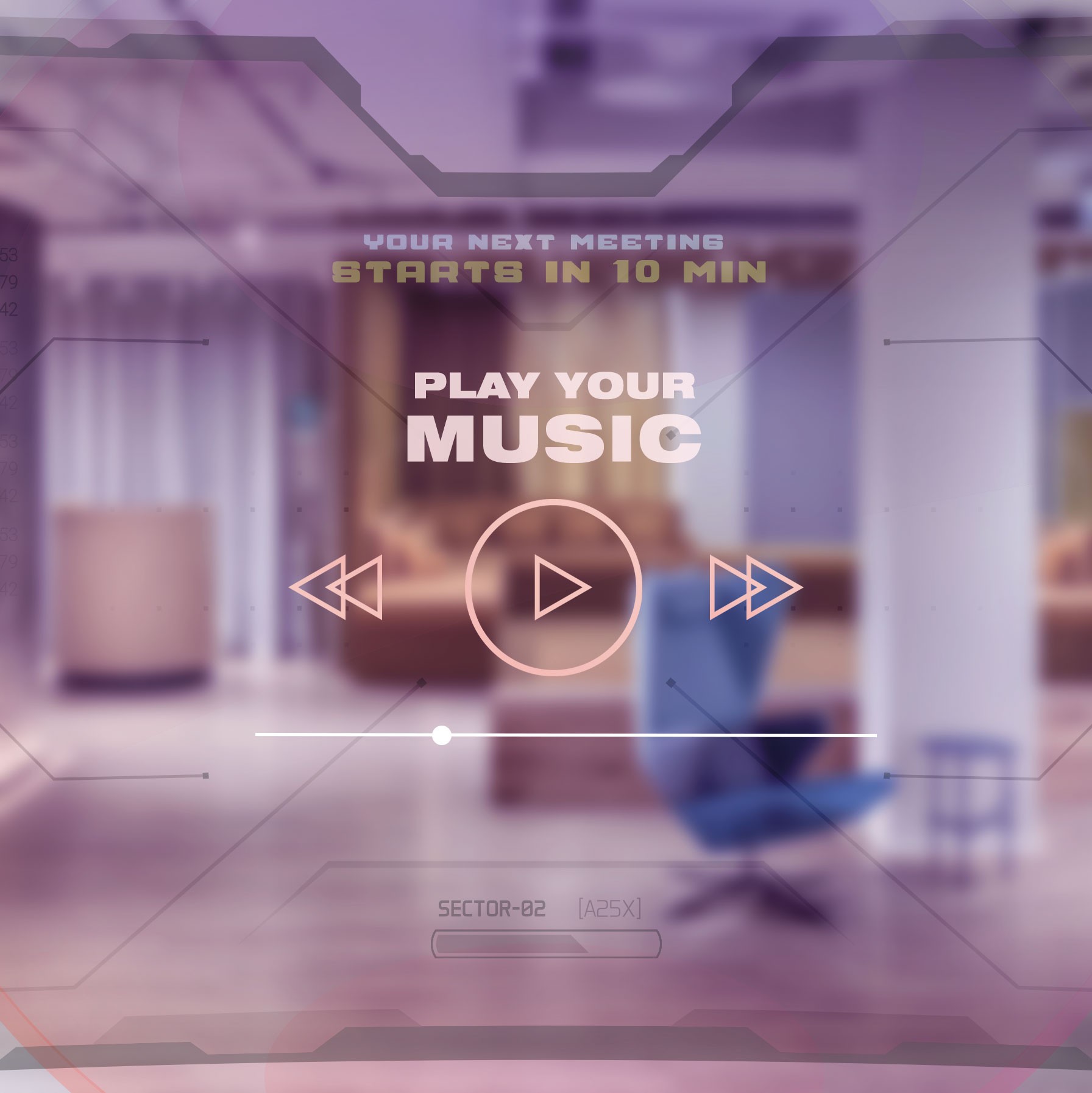
USER PERSPECTIVE
VR-Transit

Context Switching
contextual Landscape
Mixing Realities
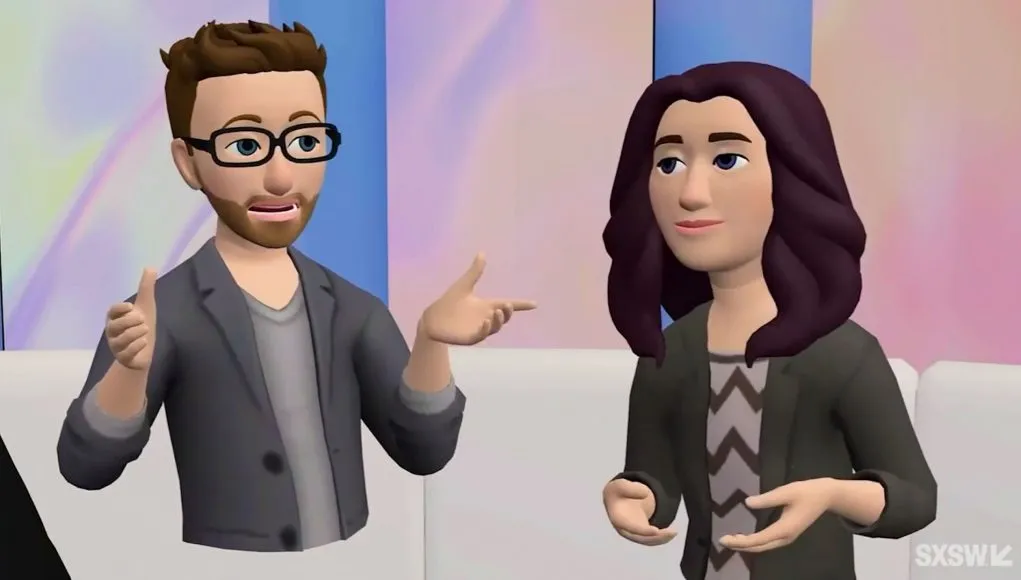
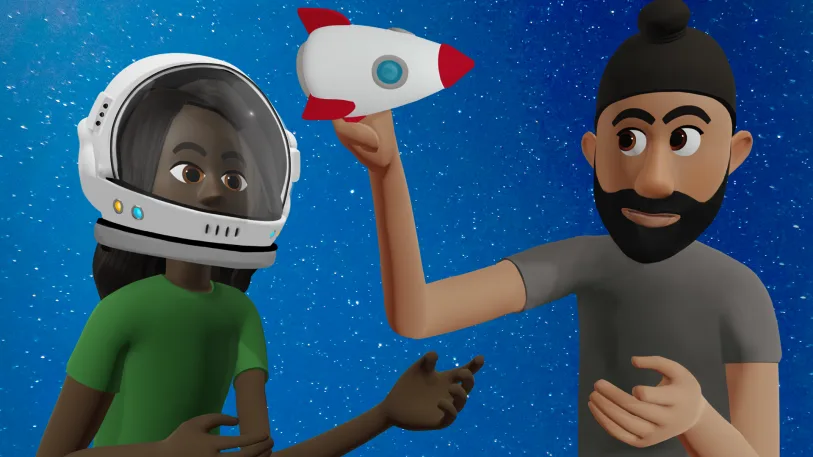
Body language & facial expressions are missing
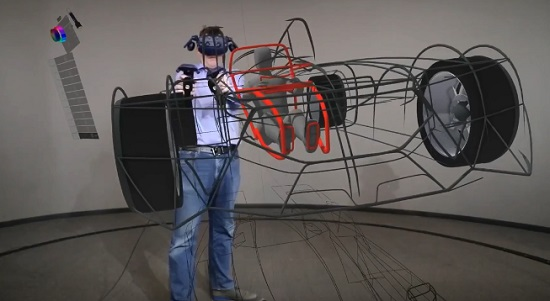
Feeling of presence is transformational
Purpose Built > General
Societal Trends
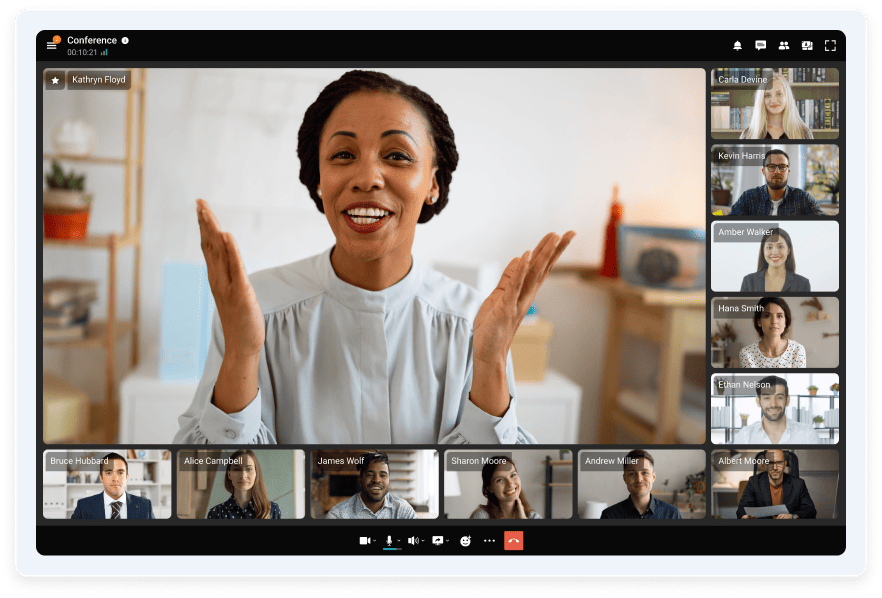
Increasing normalization of distributed teams & remote work
(some virtual tools already surpassing in-person)



Serious investment by serious players
(Microsoft, Meta, Apple)
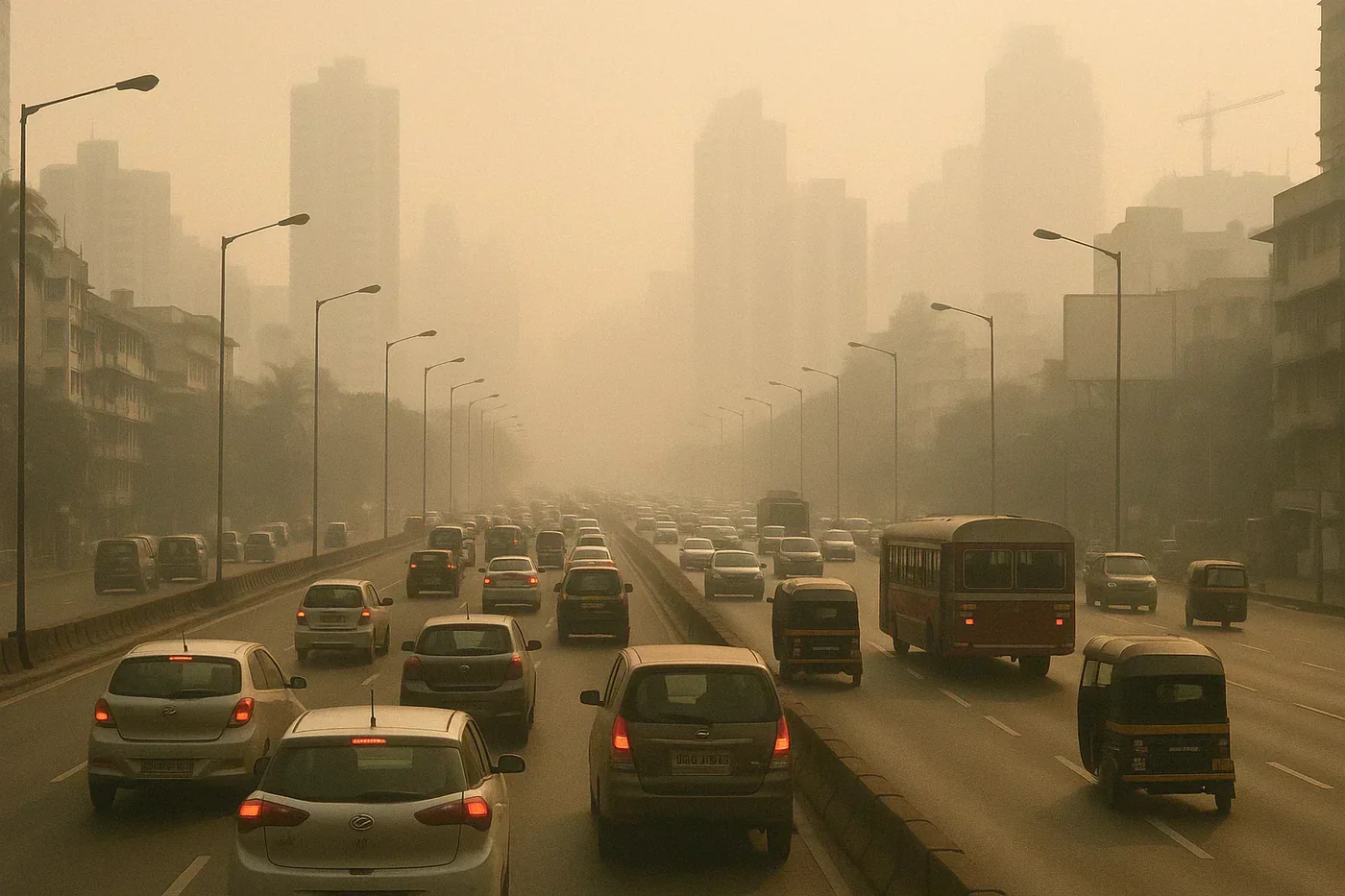
Sustainability & environmental concerns related to commuting
No Consensus
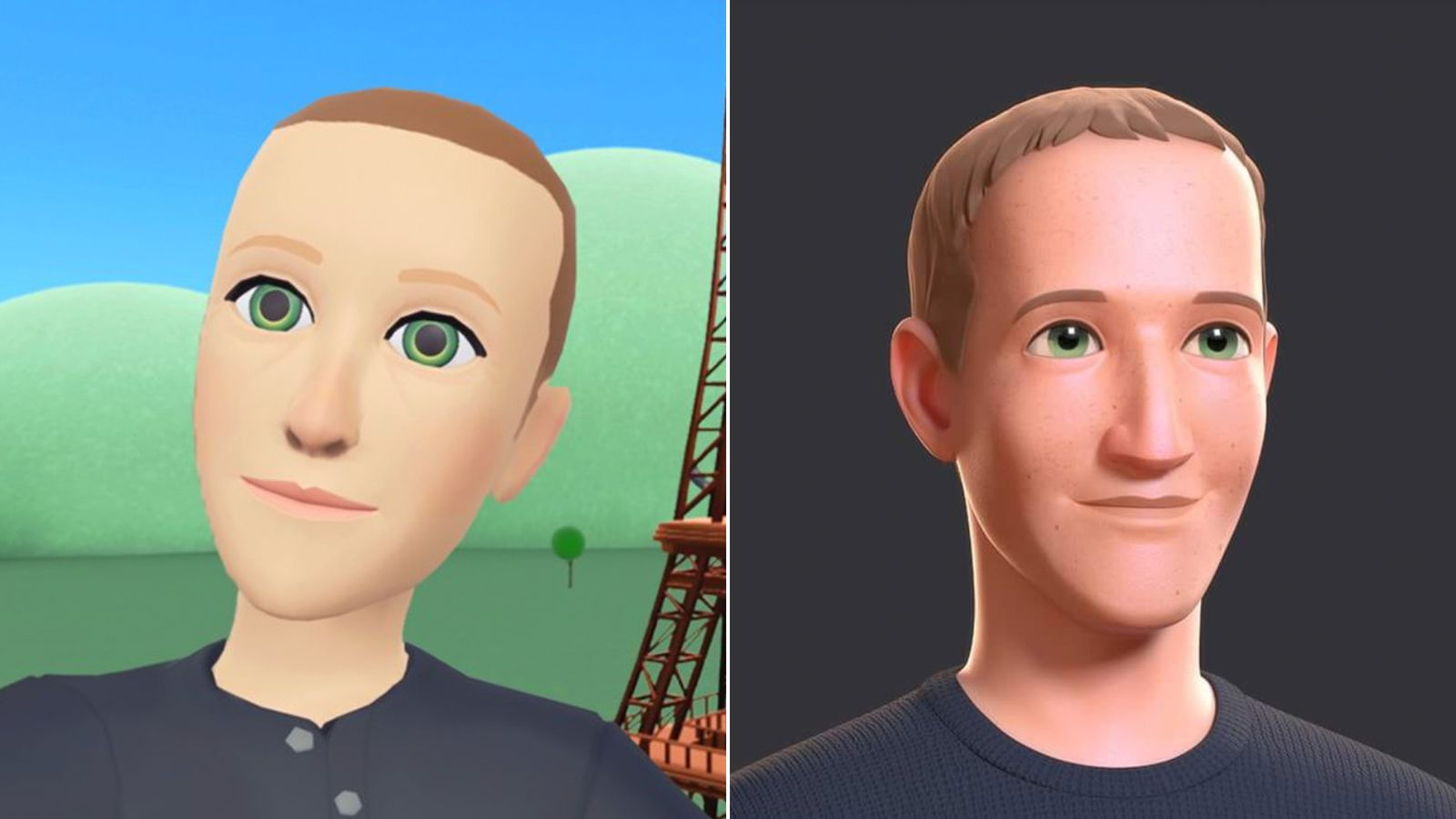
Should we lean into virtual avatars or realism?
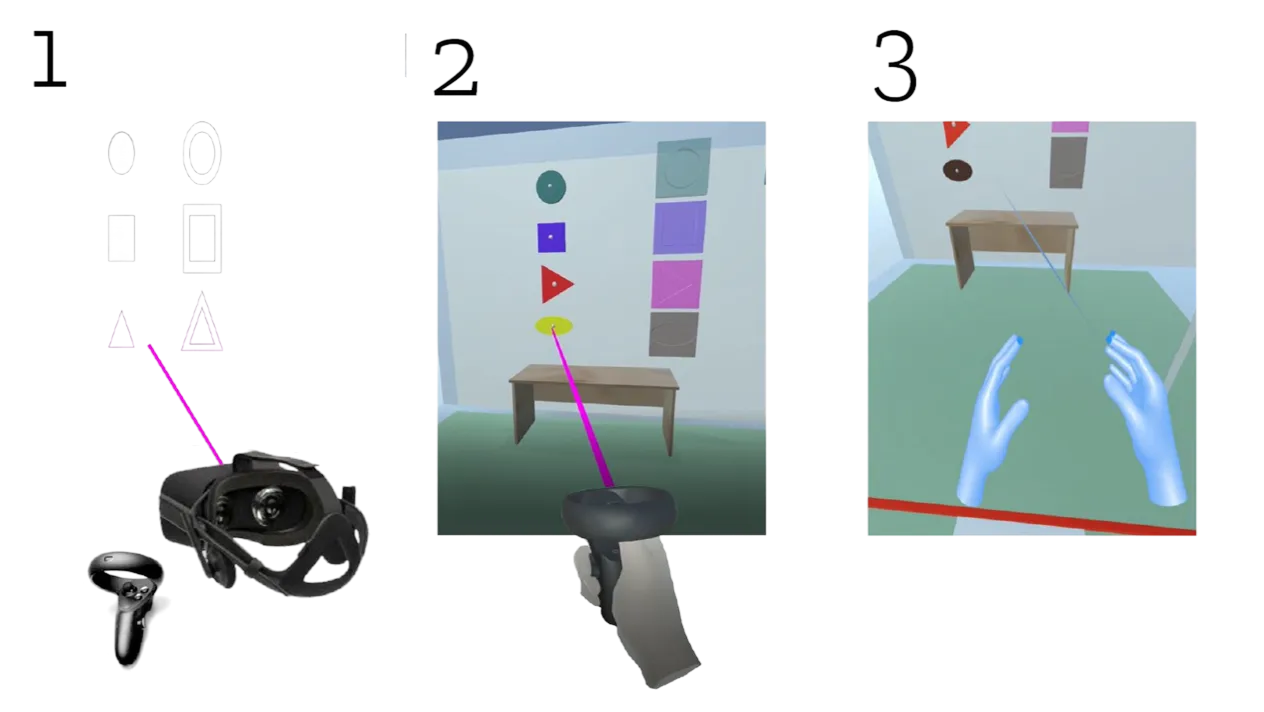
What are the best inputs and interaction modes?
(controllers, voice, neural)
Immersive Research
The most important thing to understand about VR before attempting to design new experiences and applications for it was going to be actually knowing what it’s like to use it.
Using Oculus Quest headsets, we spent hours trying out some of the most popular VR apps at the time, especially multi-user ones.
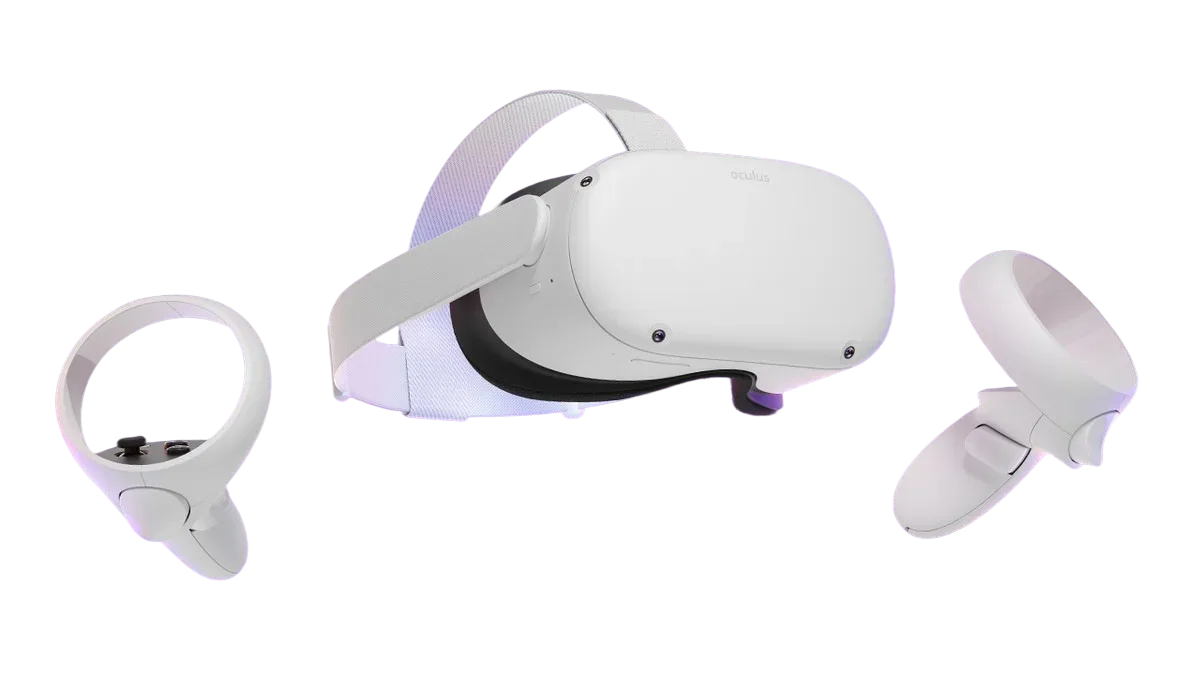
Oculus Quest
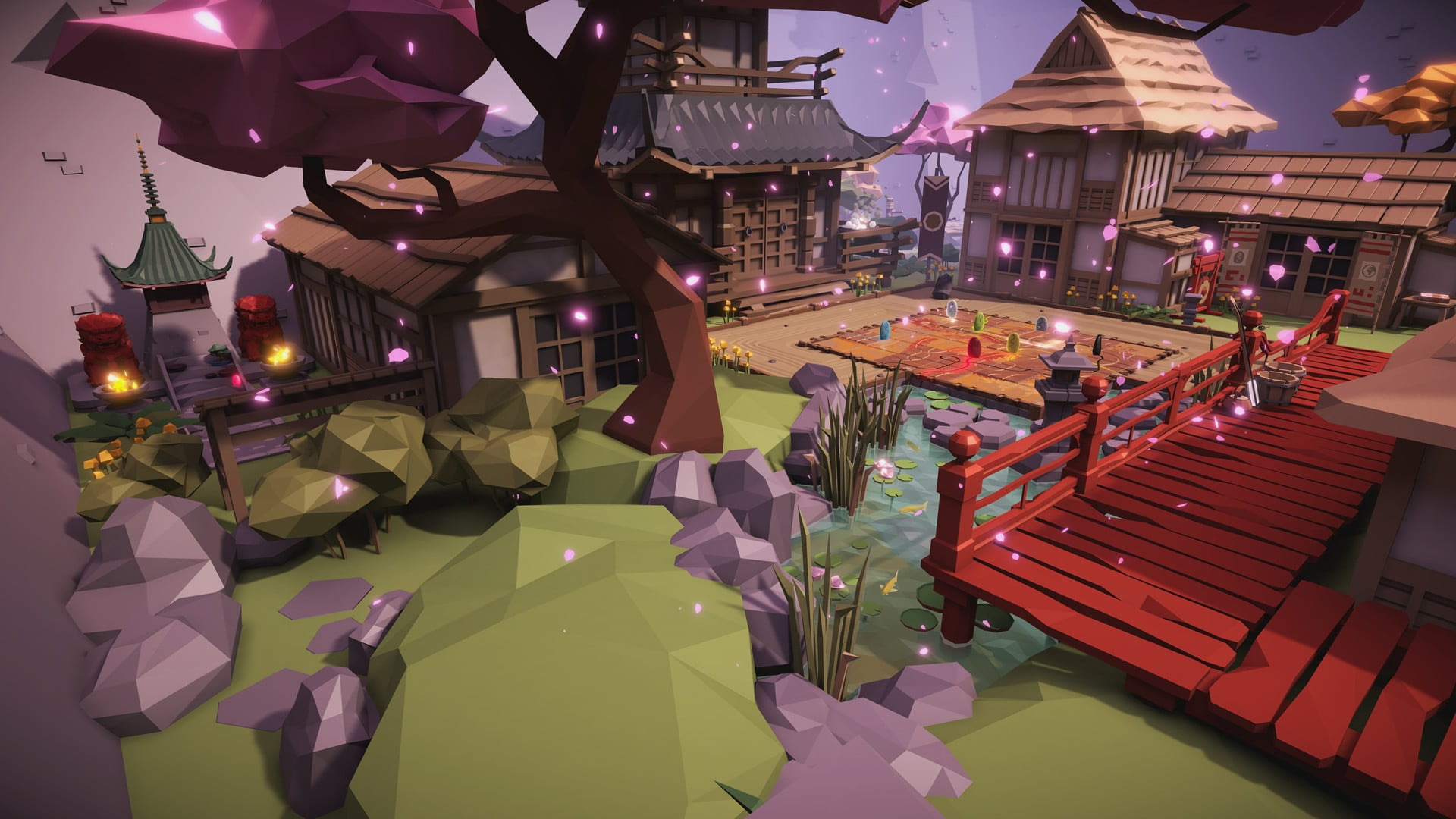
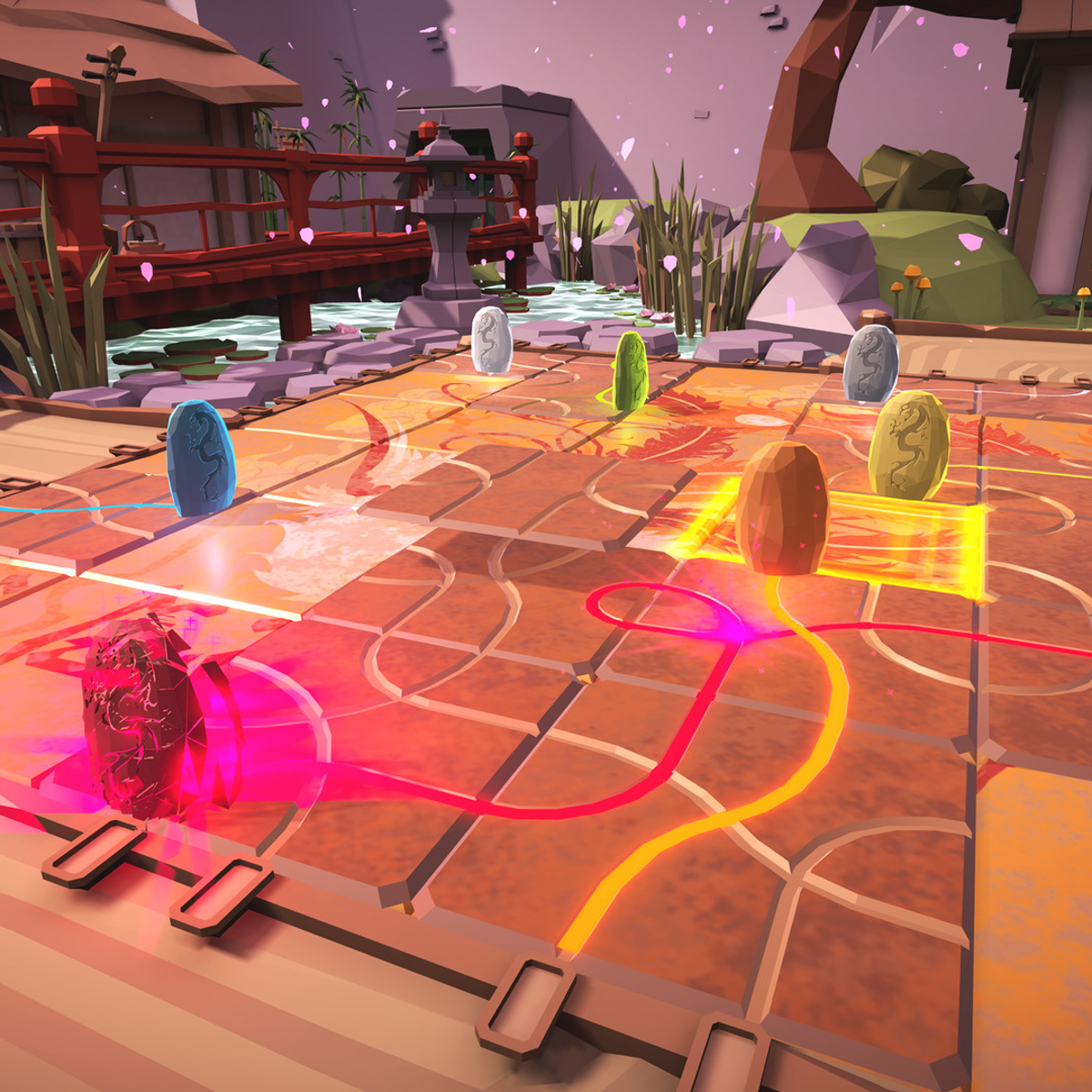
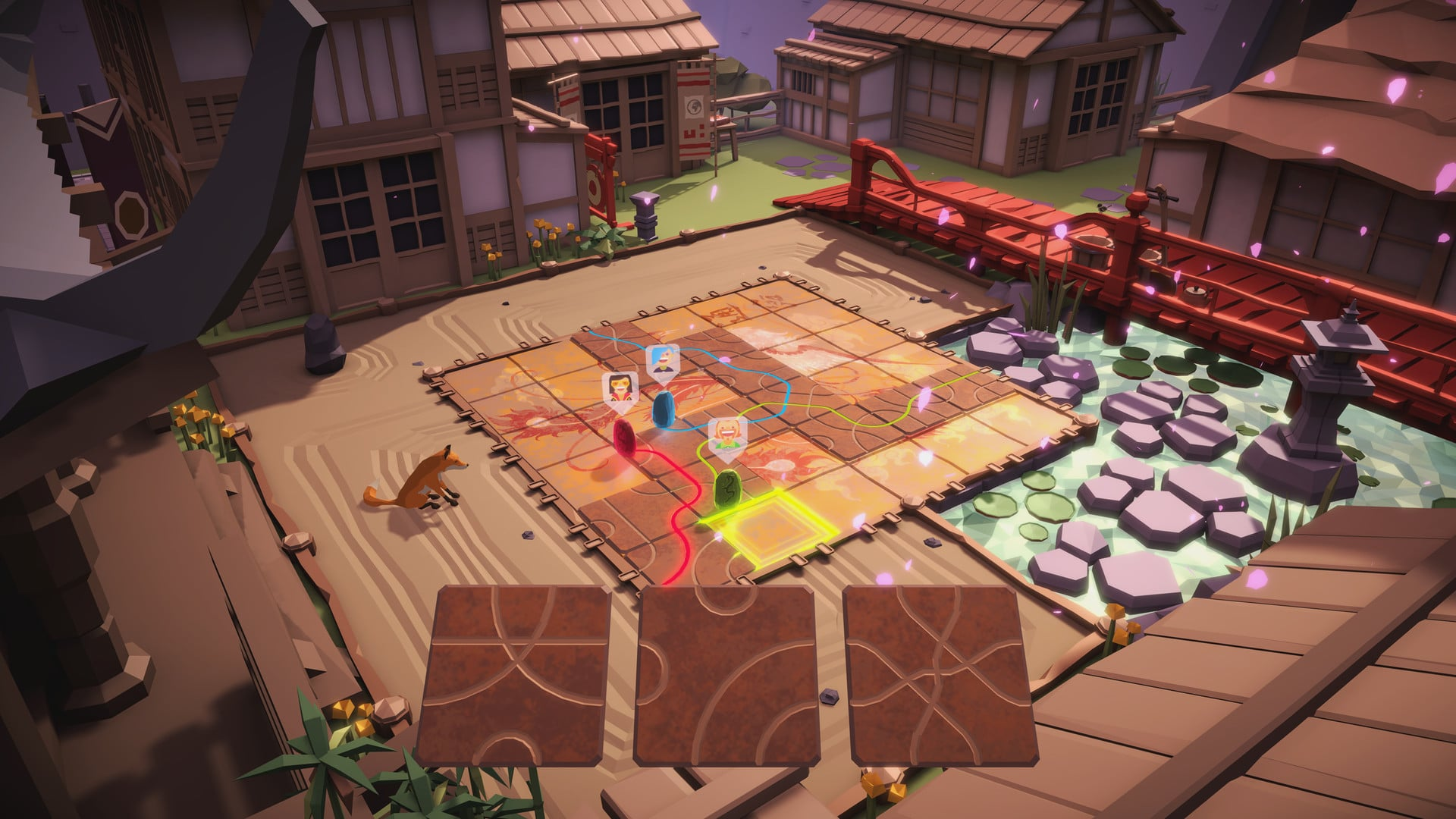
Tsuro
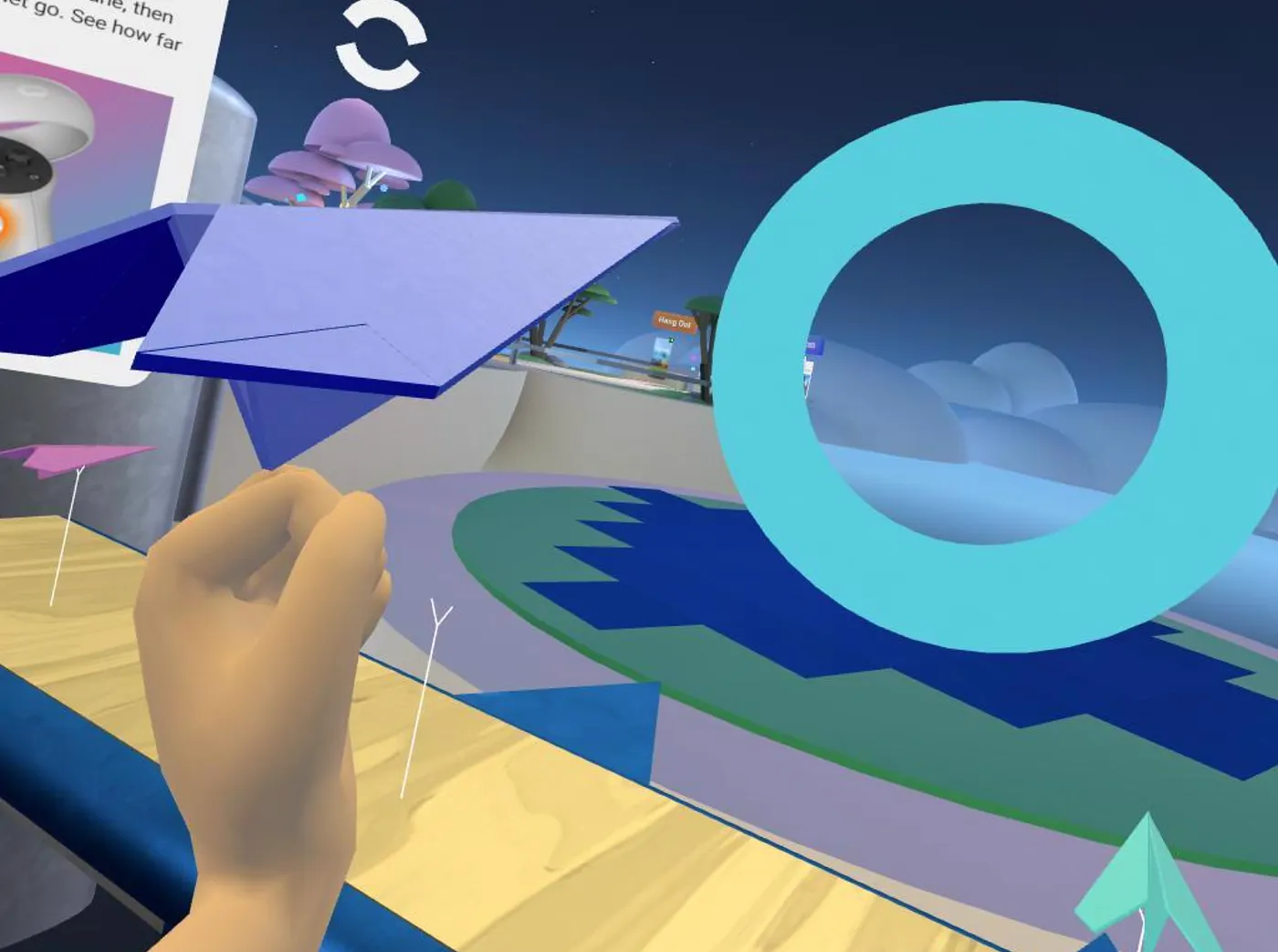
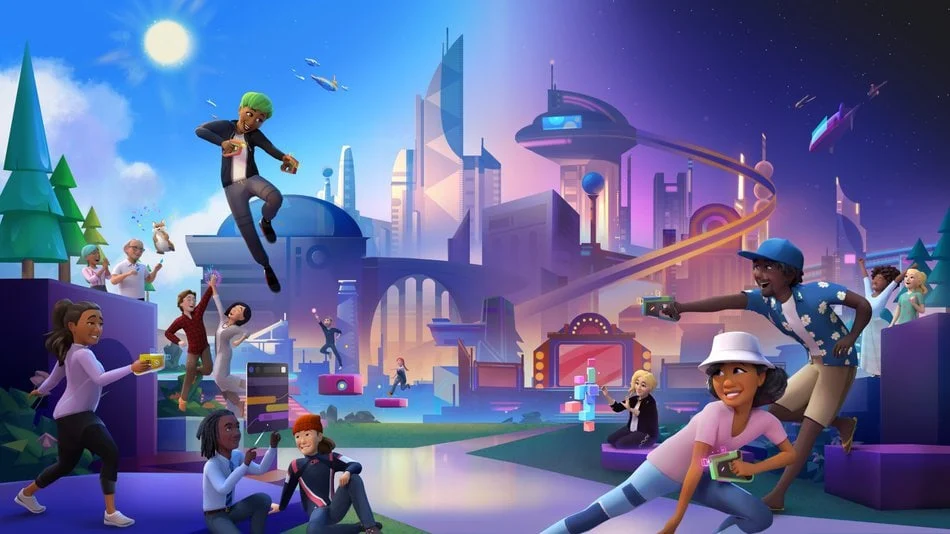
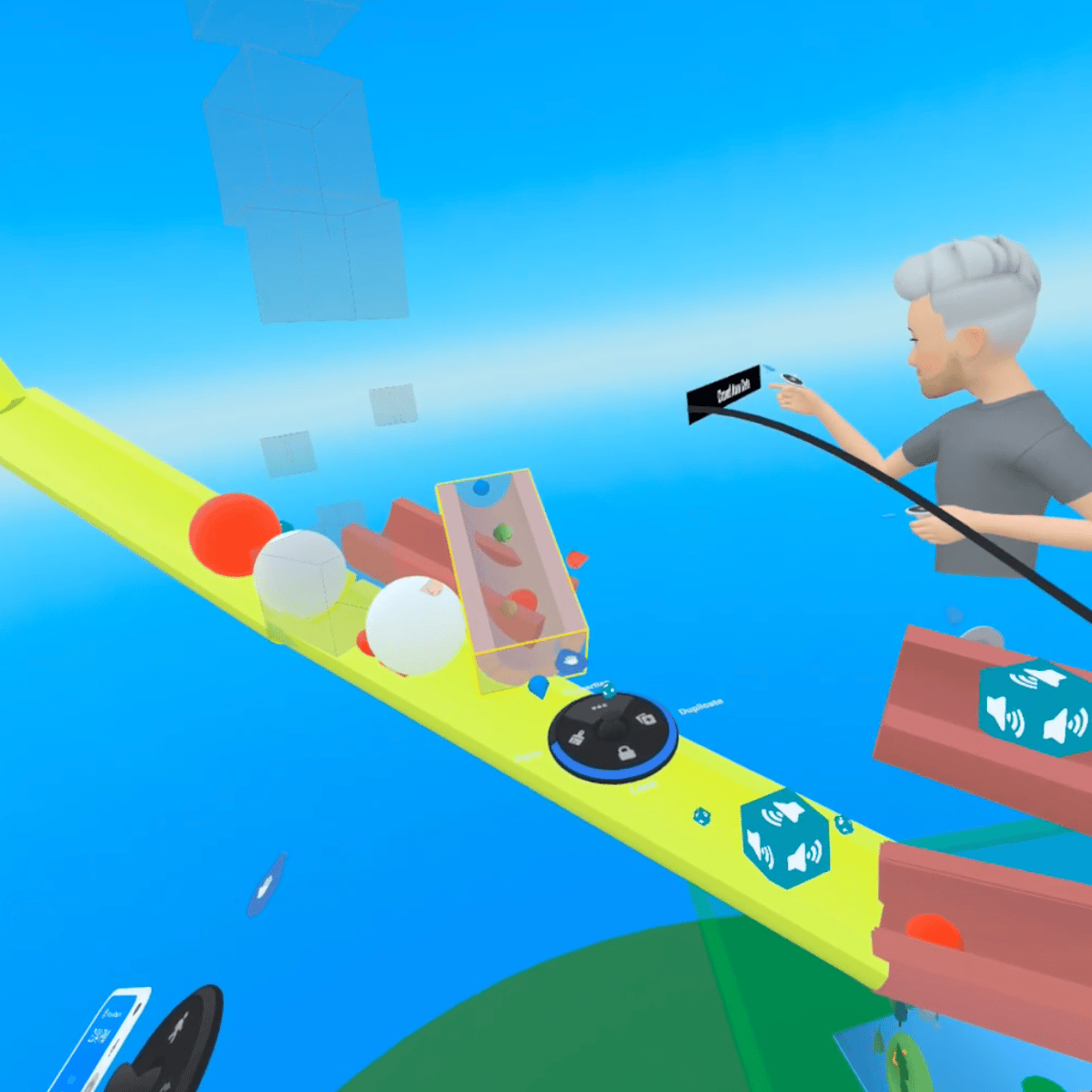
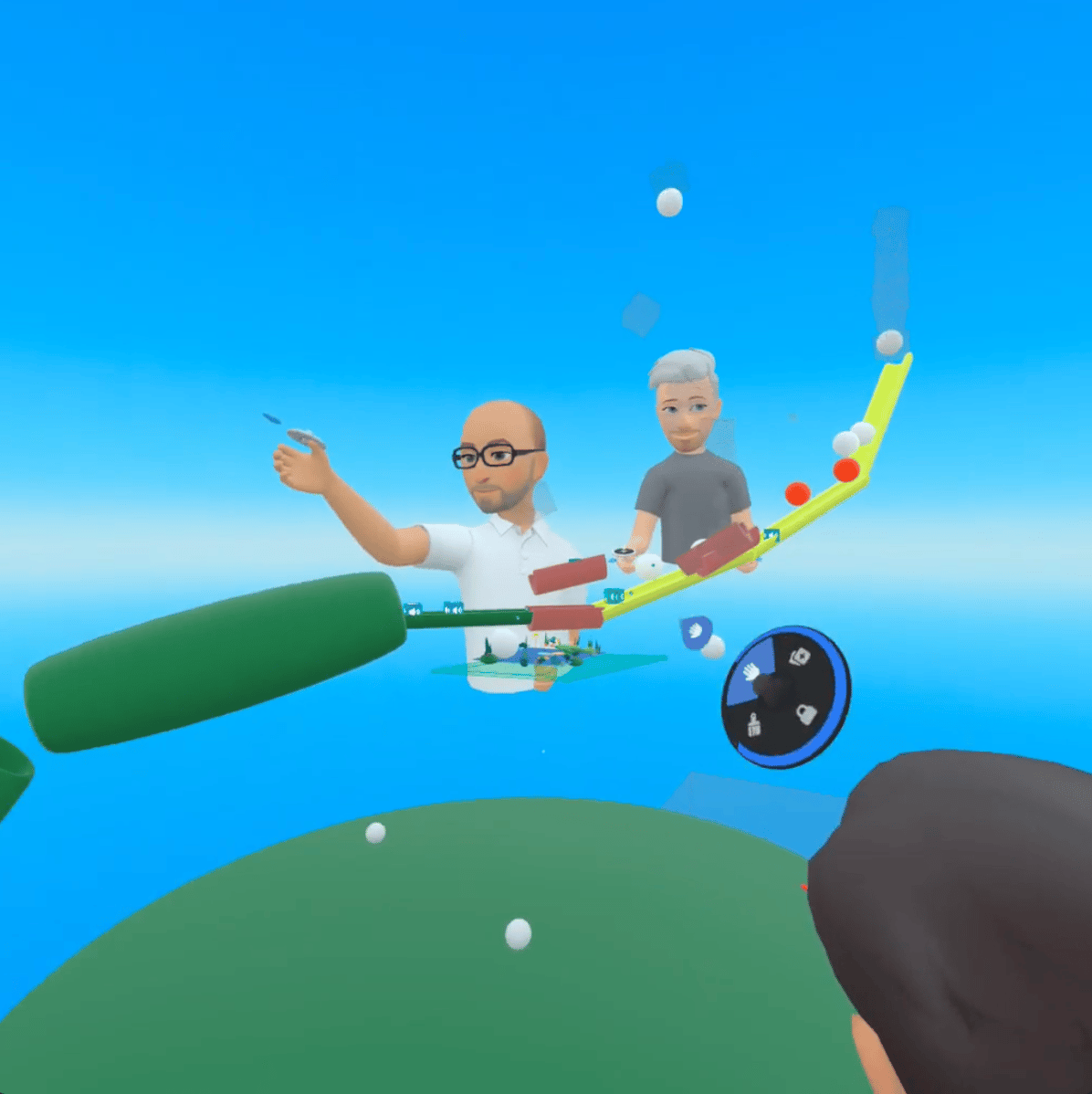
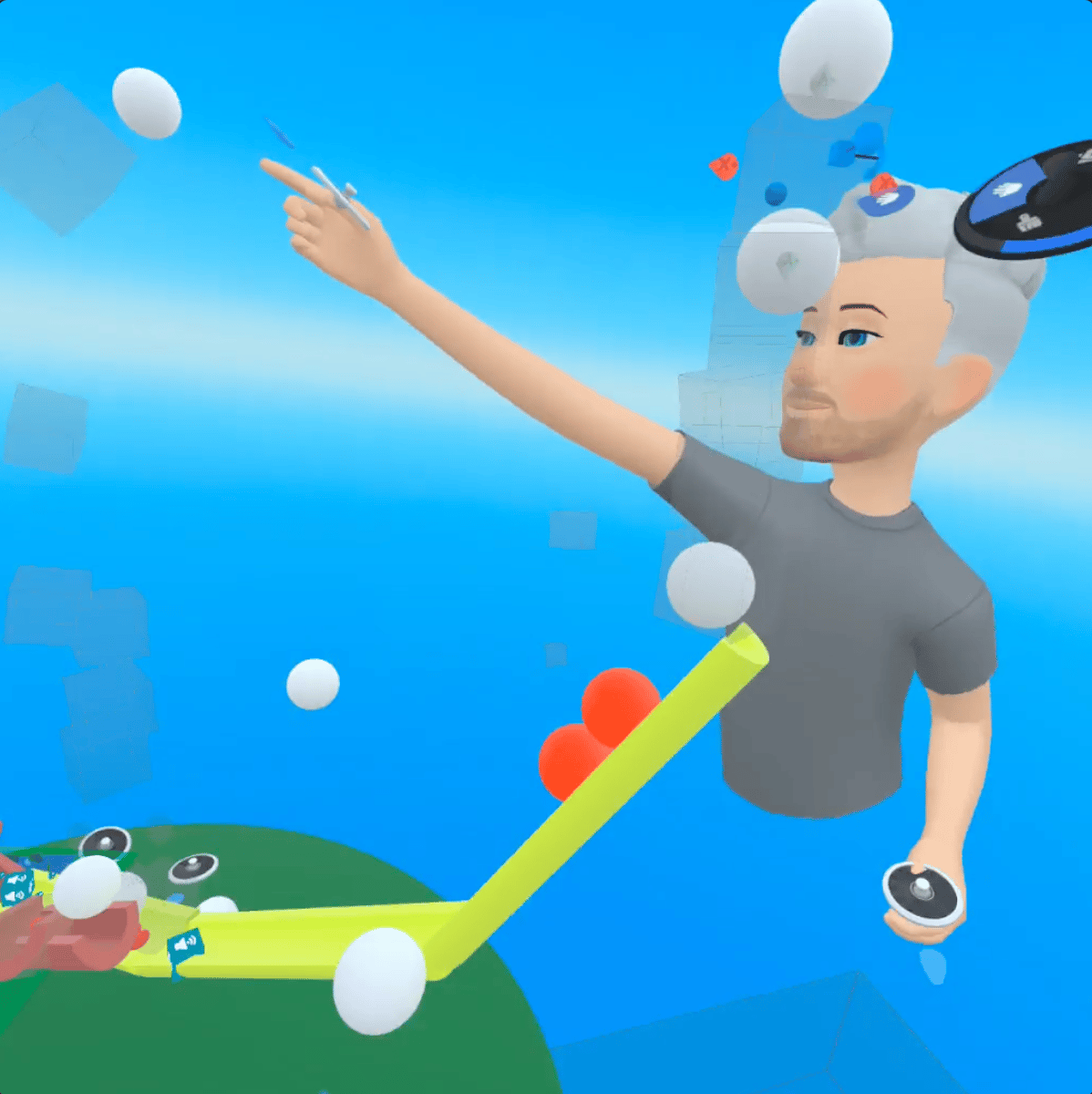
Meta Horizon Worlds
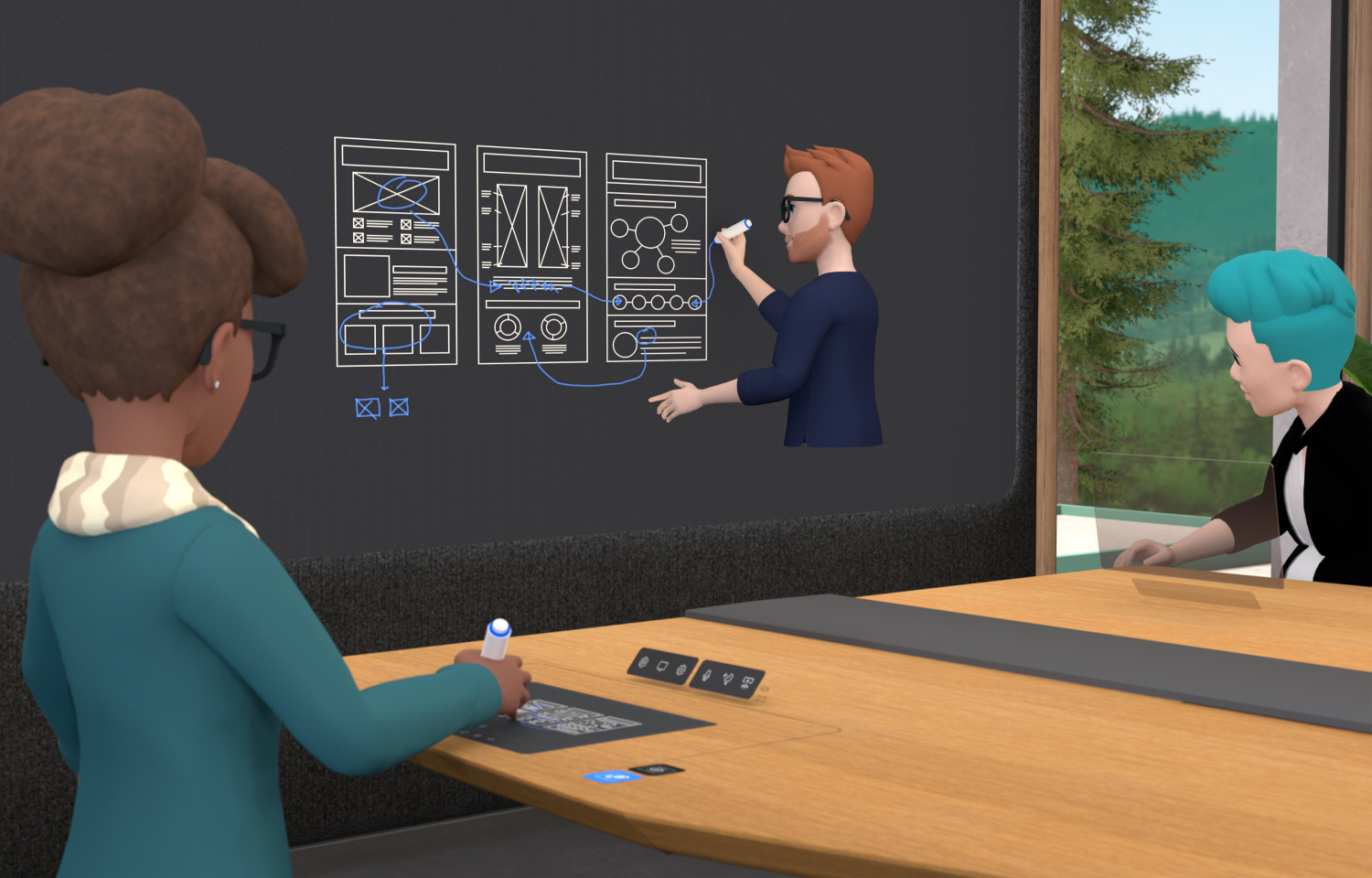
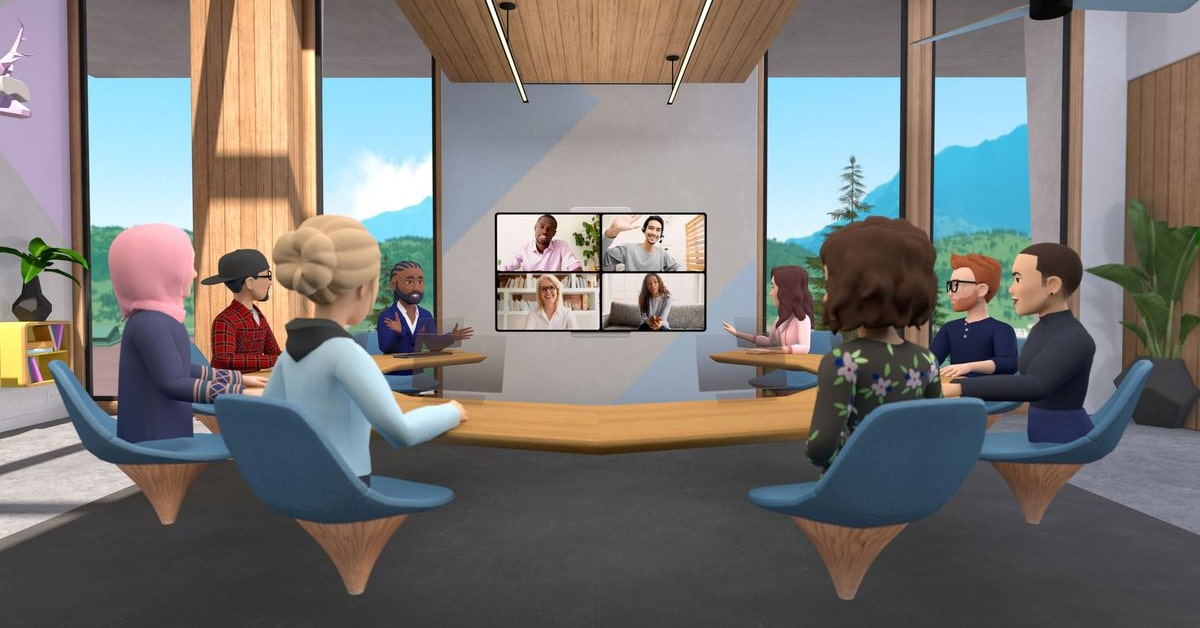
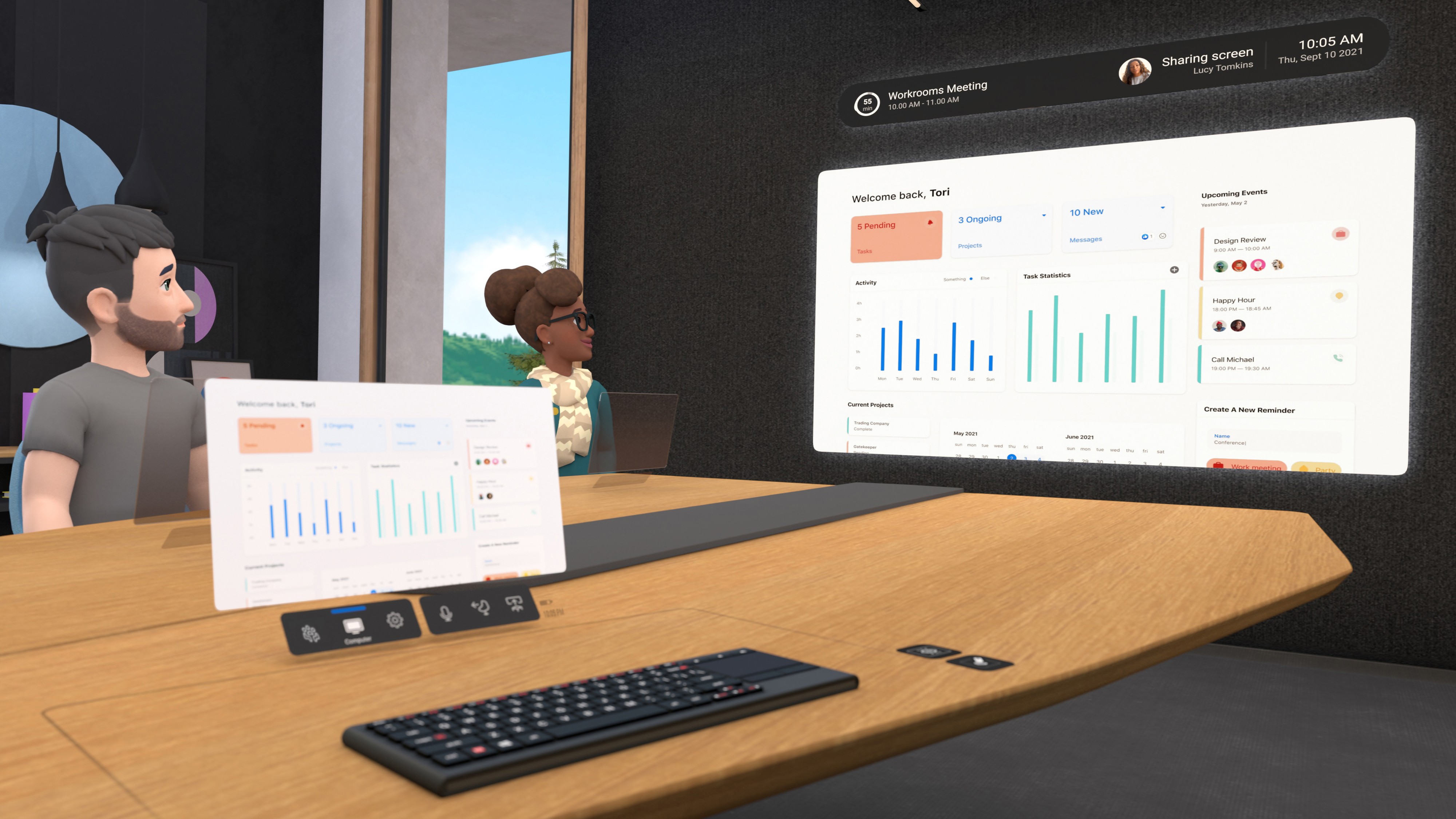
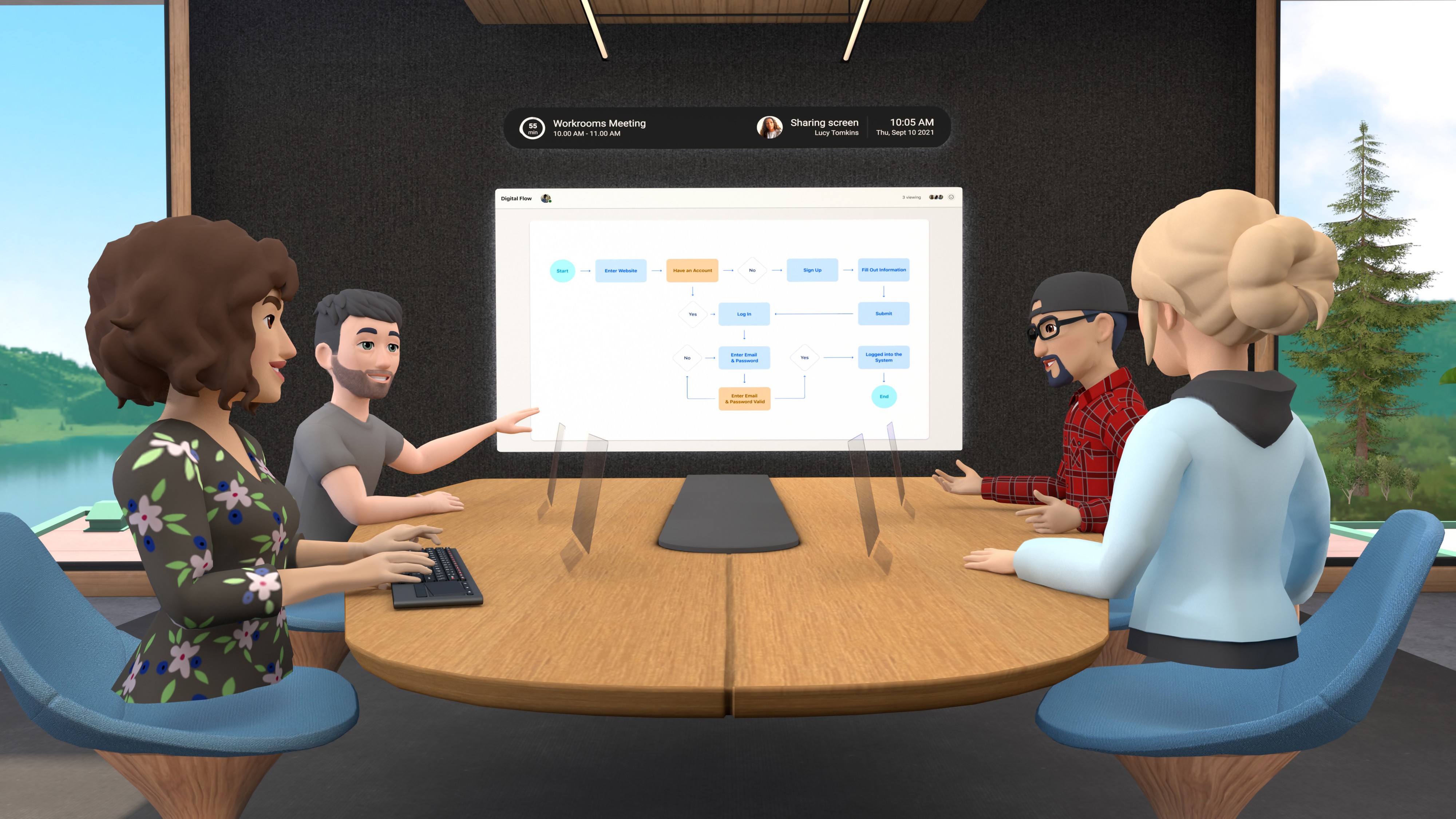
Meta Horizon Workrooms
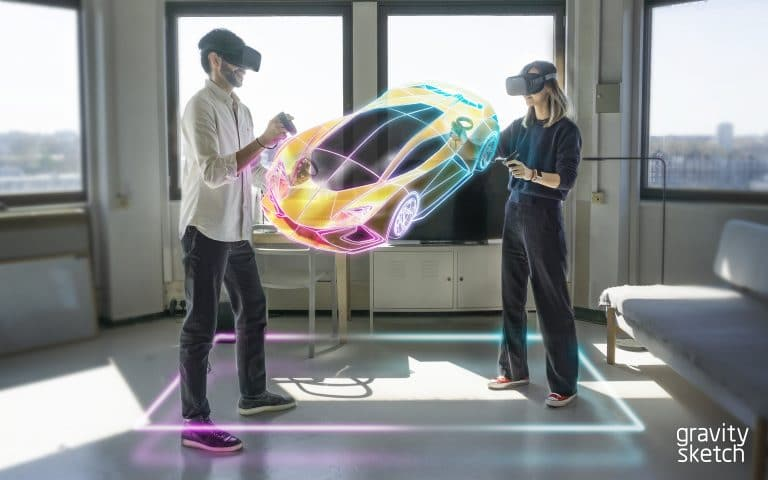
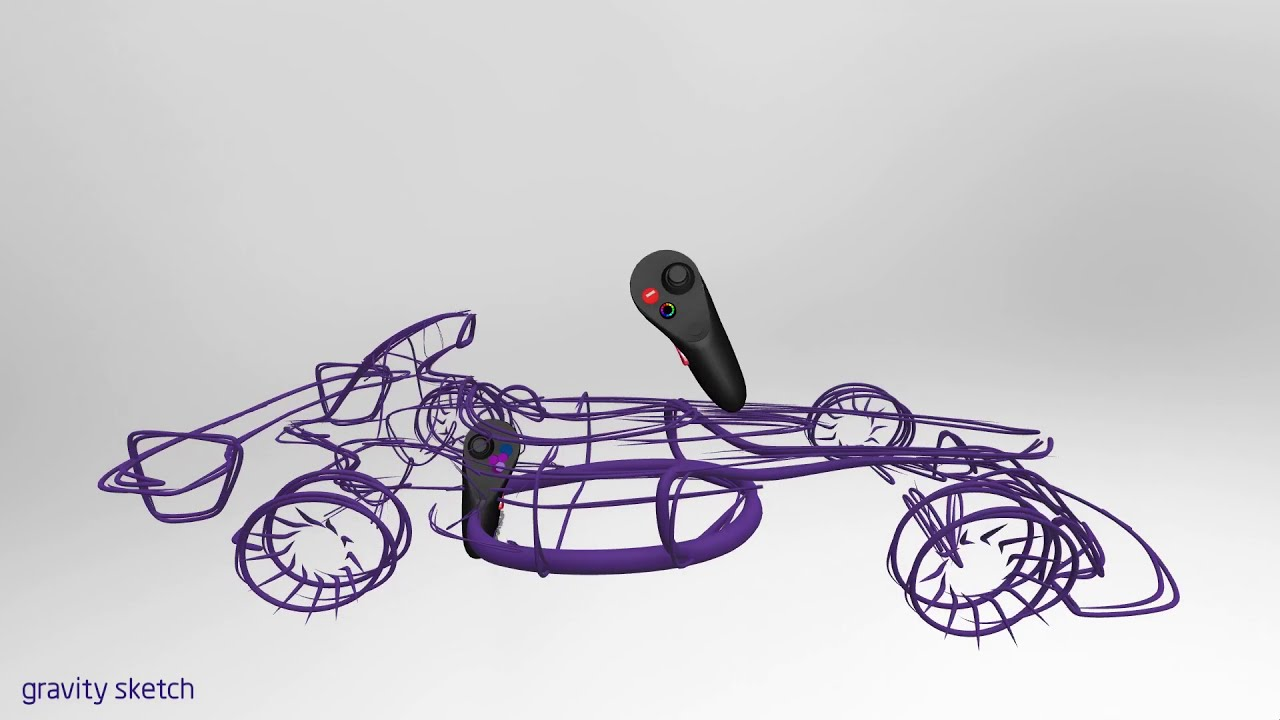
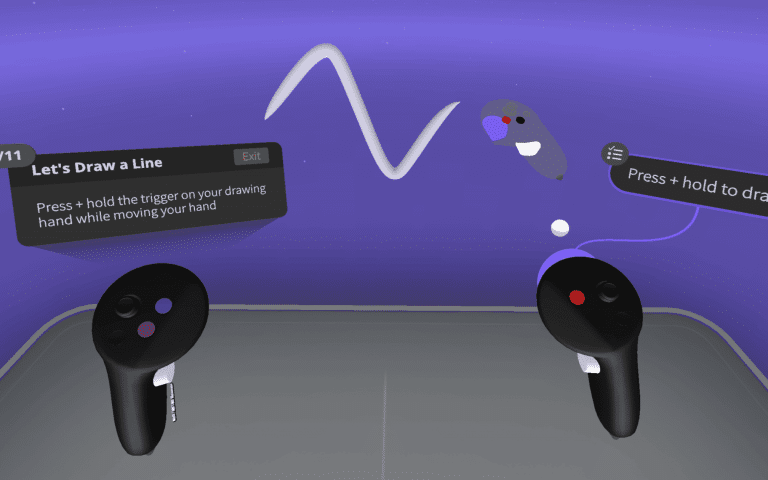
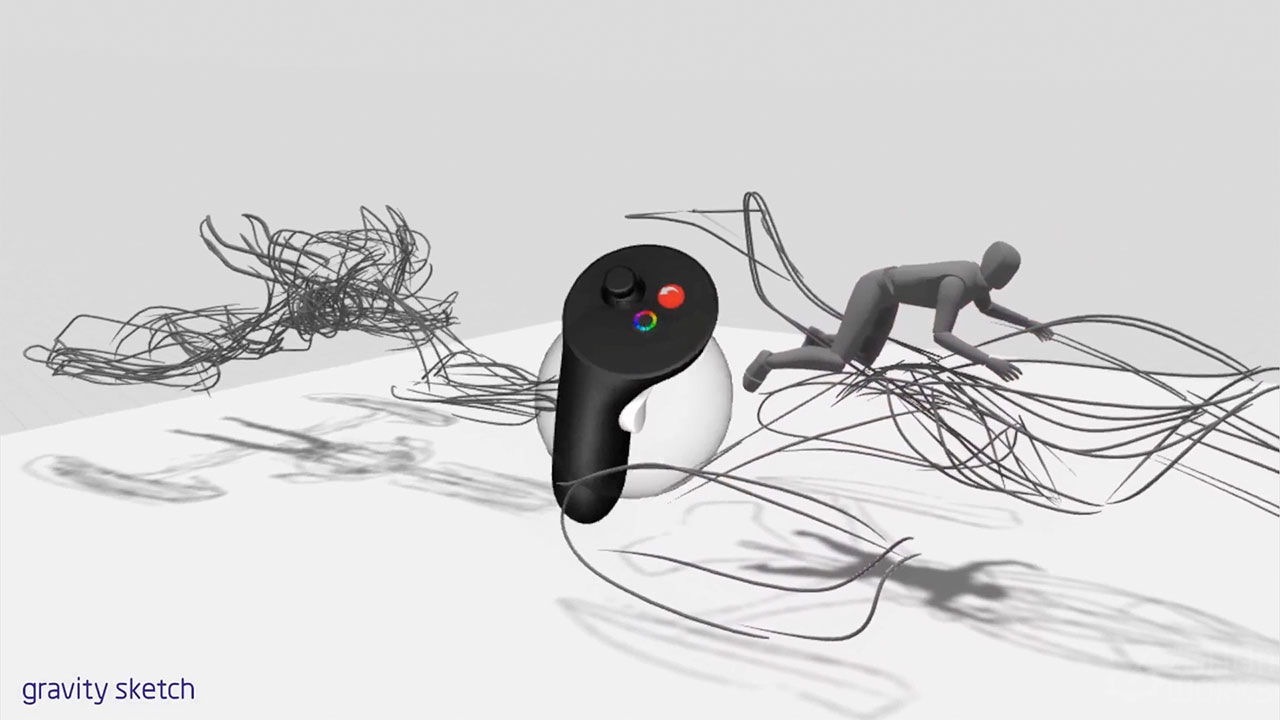
Gravity Sketch
Hardware Trends
How does hardware affect the VR industry and its opportunities both in the present and in the future?
What’s working? What’s not?Which direction is the industry going?What’s things are still unknowns?
This project was done in 2021, but images were updated in 2025 to reflect more recent technological progress
Now
Oculus Go
Oculus Quest
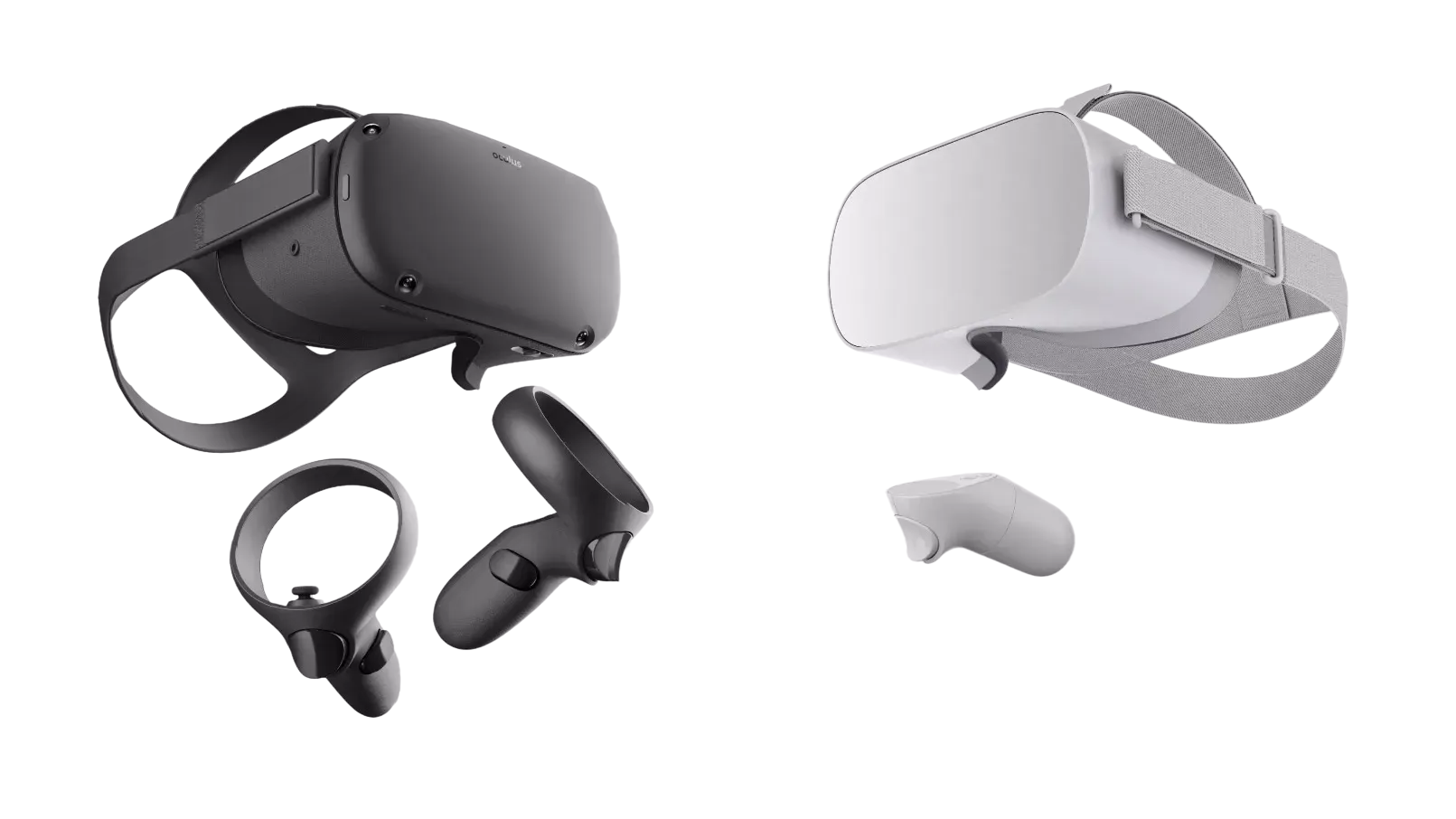
Affordable VR devices for gaming & niche use cases
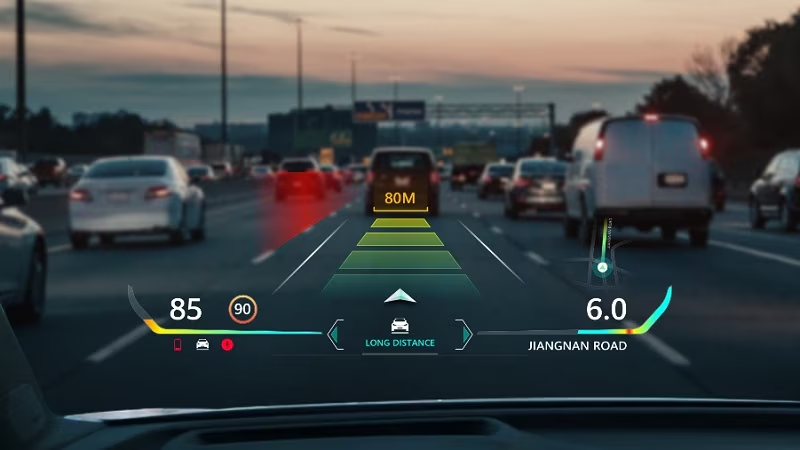
Simple, heads-up display style AR
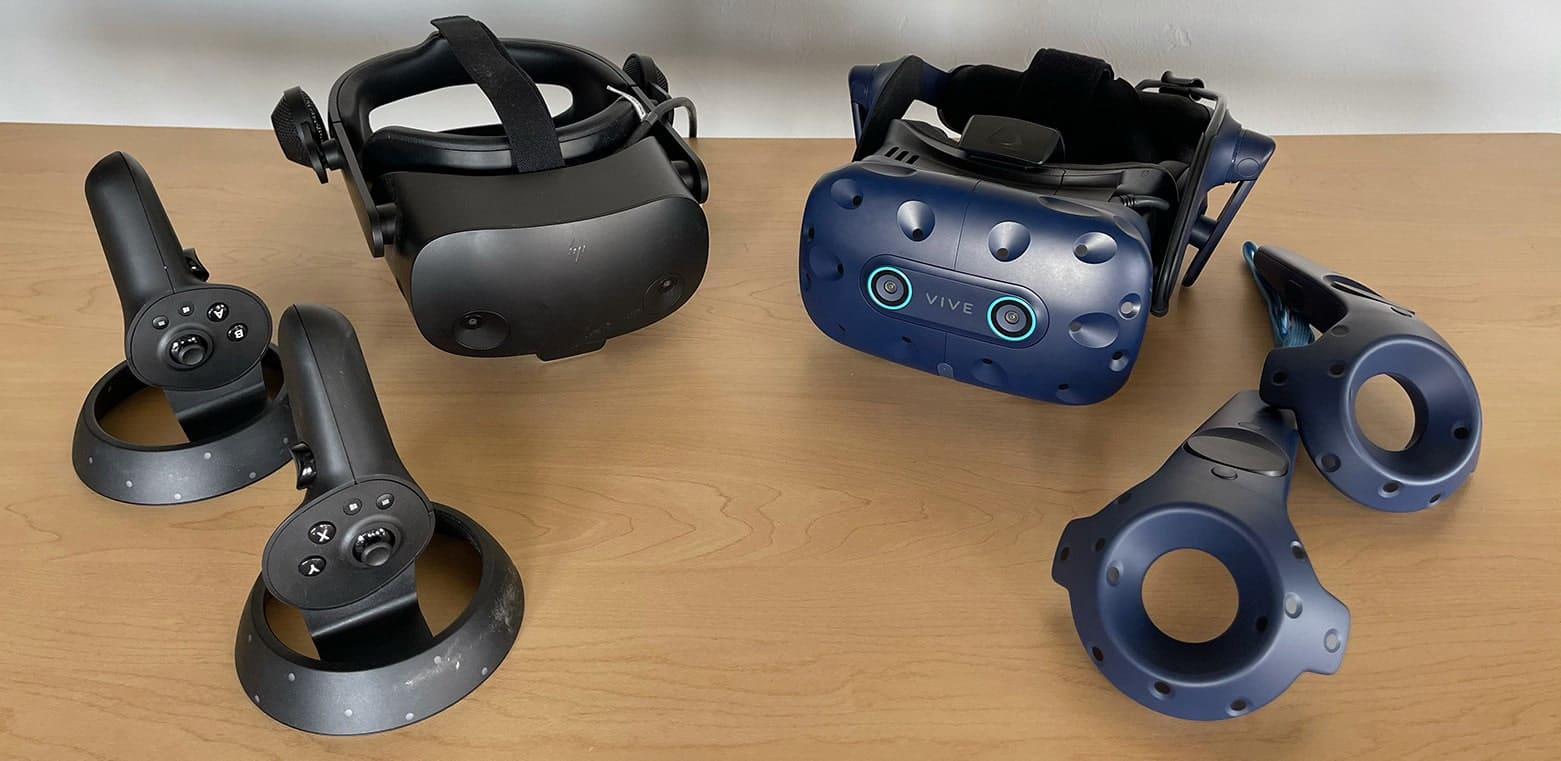
Tetherless, yet clunky devices
Near (3–5 years)
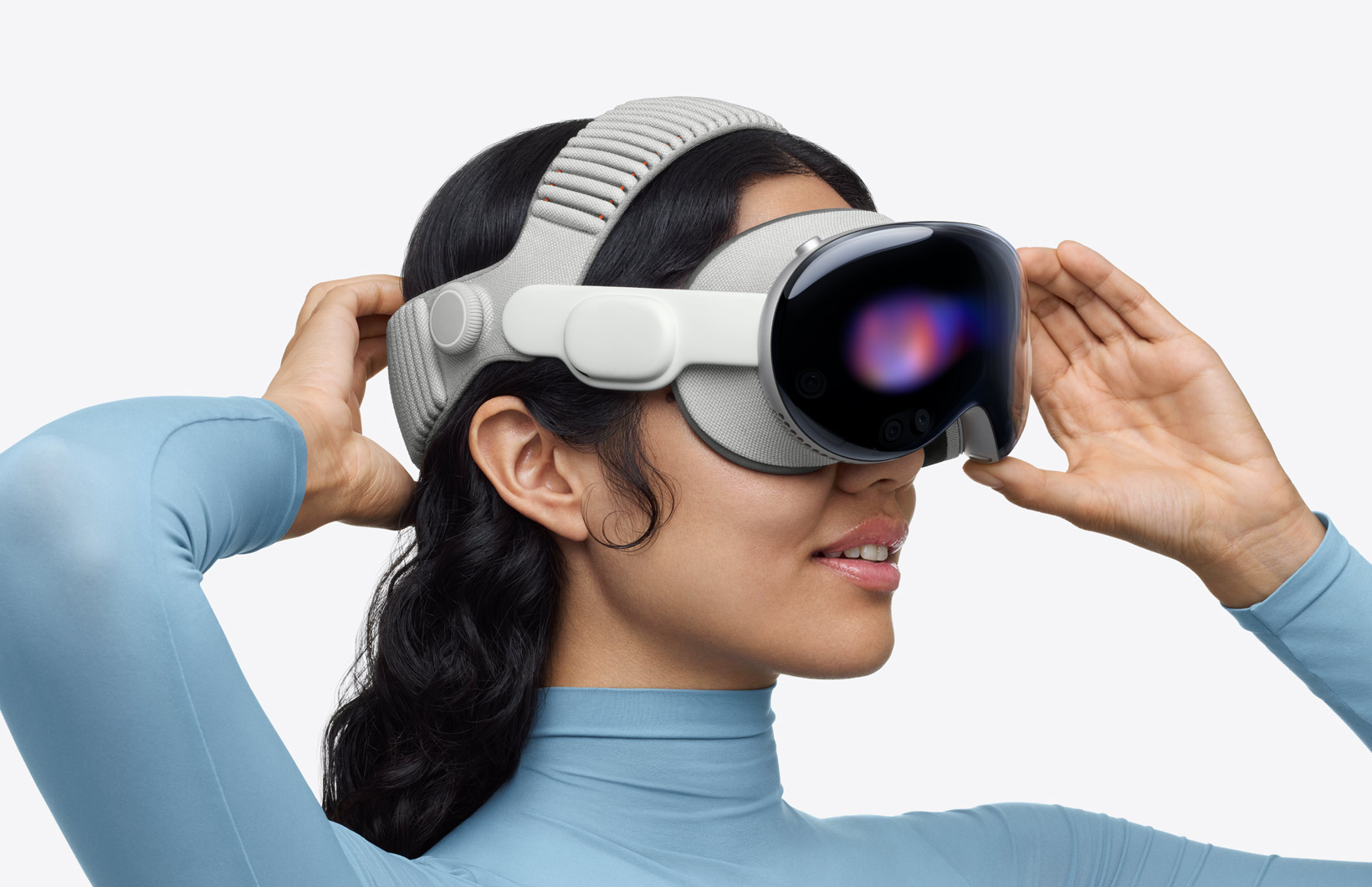
Enhanced comfort/fit
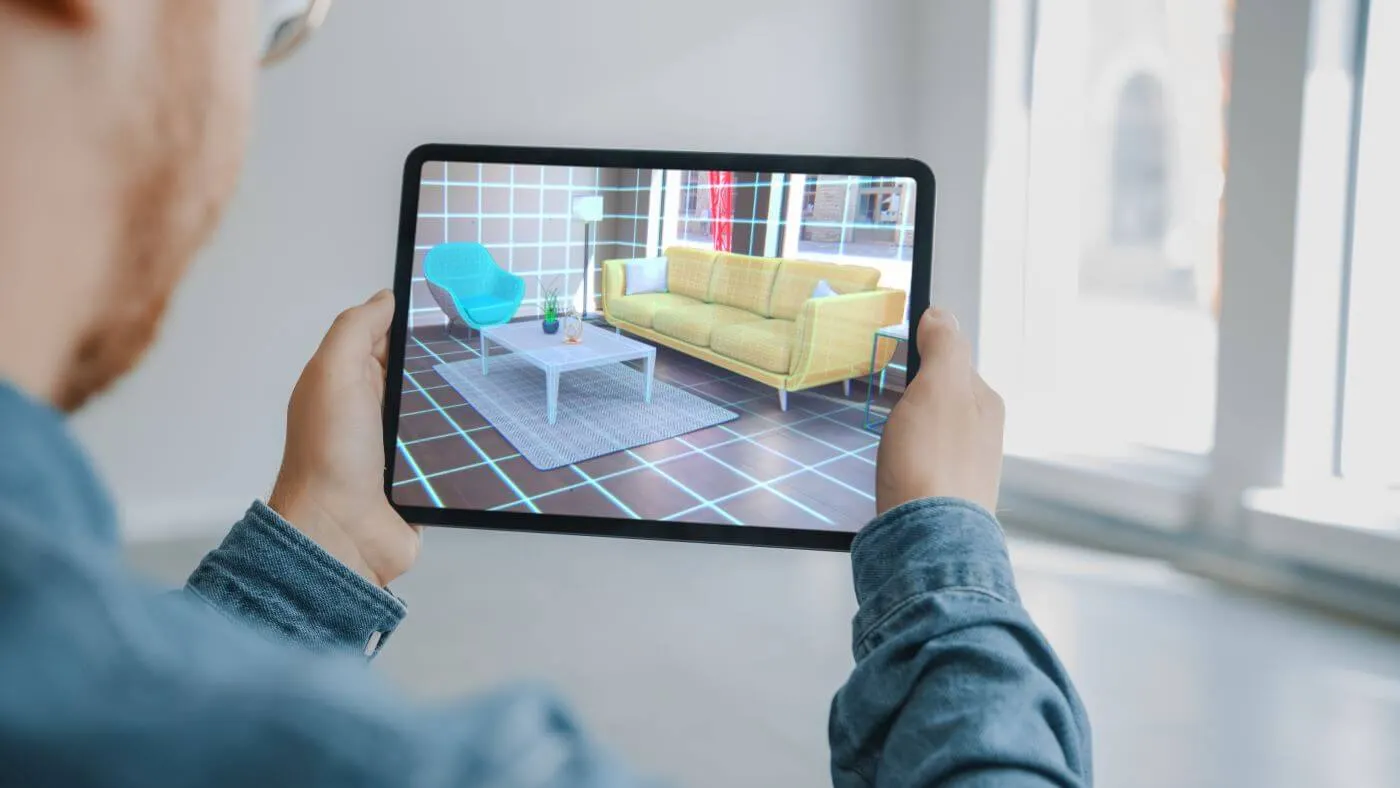
AR becomes environmentally aware
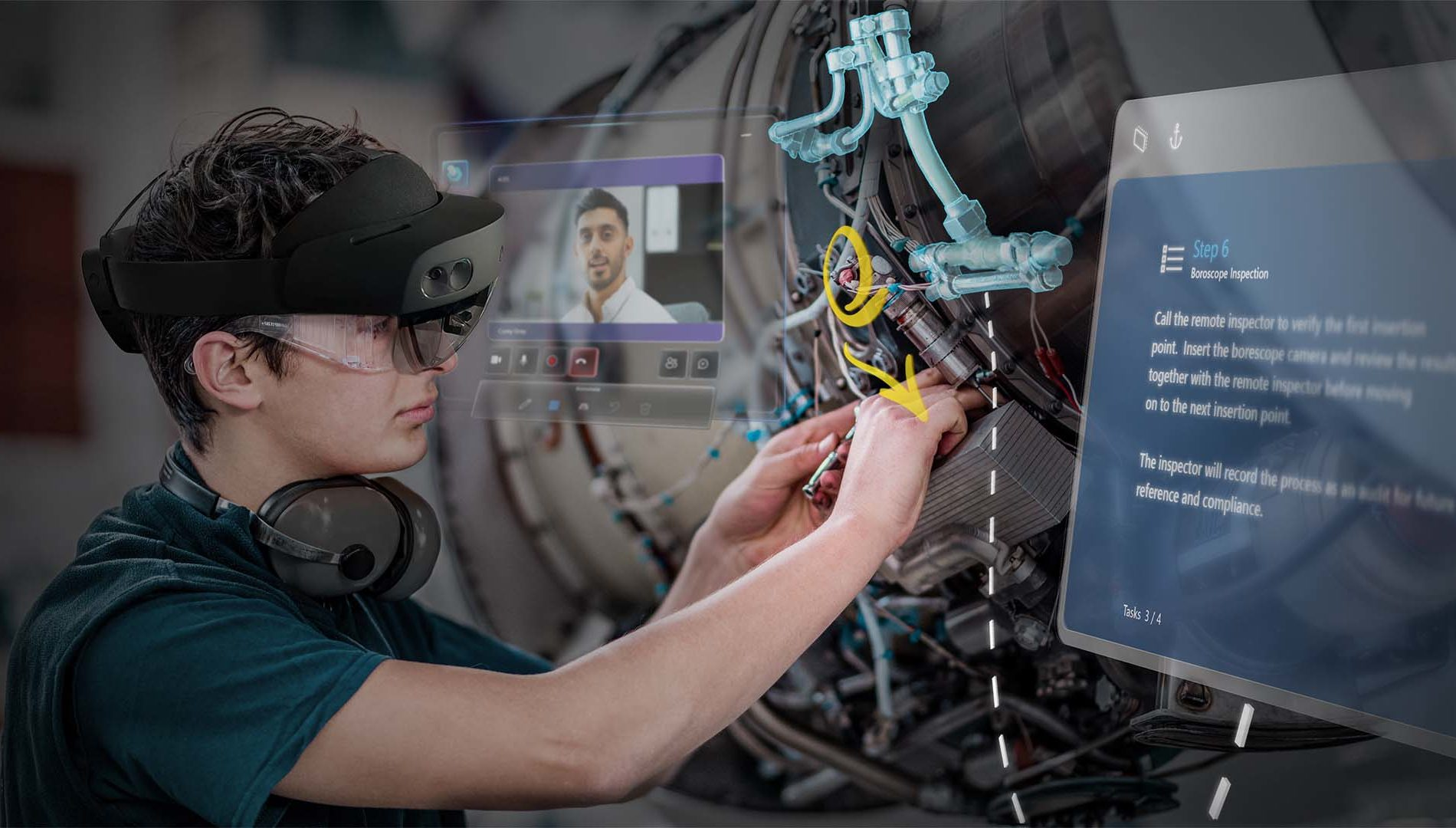
Dev shift focus from VR towards AR/MR
Far (5+ years)
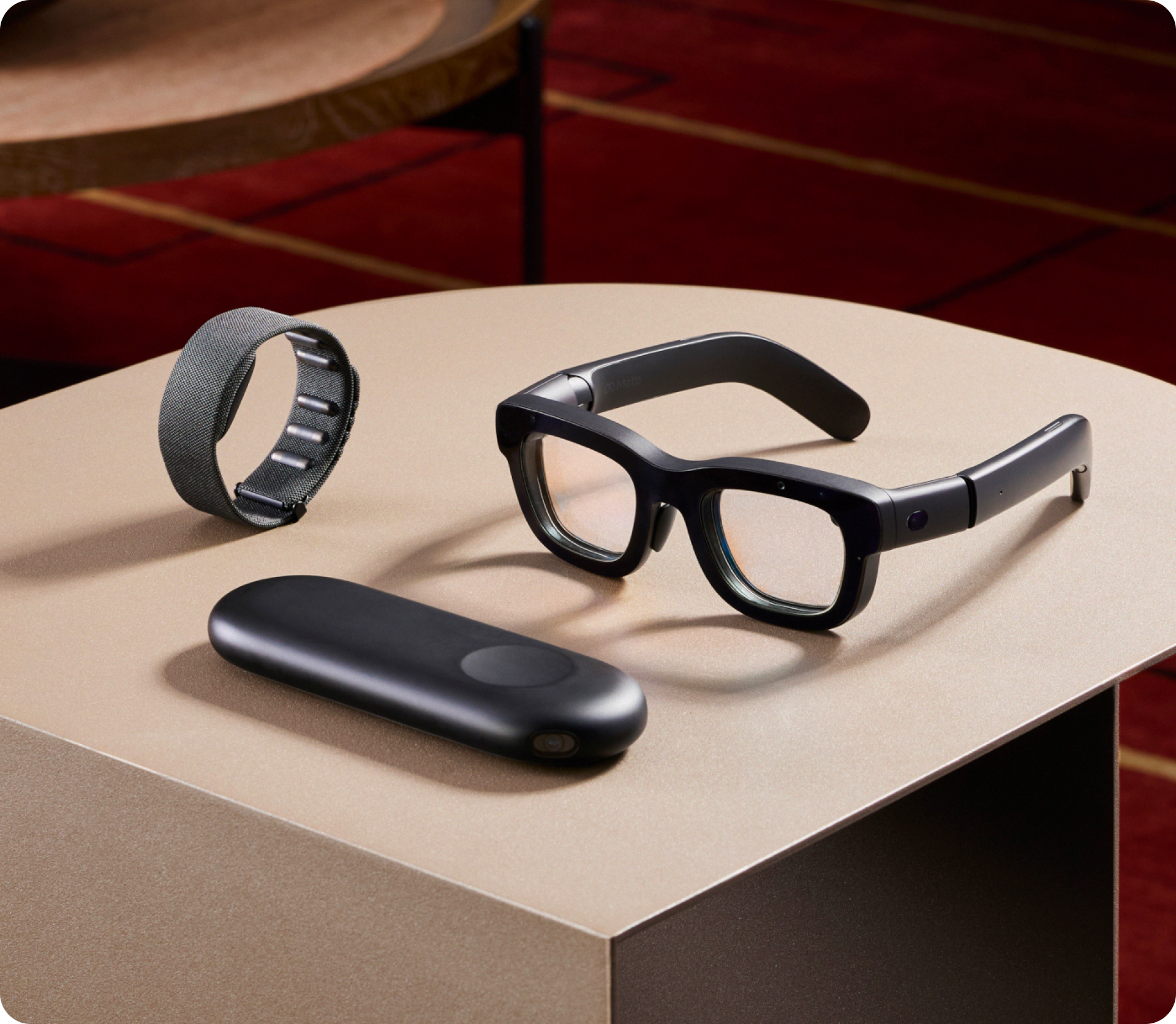
“All-day” wearable

Mass Market lightweight AR/MR glasses
“The ultimate display would, of course, be a room within which the computer [person] can control the existence of matter…”
— Ivan Sutherland, 1965
Research findings & Insights
Nobody wants to spend all their time in VR, but well-curated experiences can be pure magic.
“I don’t want to spend all day in VR”

“I like the immersive content to bring people into a context. This will be a much richer and emotive experience.”

Embodiment in virtual worlds allows people to act as they would in real life, making VR a perfect technology for training applications.
Even in VR, people still need a place to call "home." VR energy rooms would be a natural place for teams to come together.
“There is something nice about information in a physical space so I can find/remember where stuff was.”
“[A VR energy room] sort of implies that you can have different conversations or activities going on at once (which is great!)”

Experiencing things together forms strong social bonds, teamwork, etc. VR experiences can amplify/celebrate/leverage connection.
“Makes people connect to one another, more personal work connection like you could have at the studio.”
“I’d like a transition into the environment—what could a ‘VR commute’ look like?”
“The ability to play back the VR and interact with others virtually at a later time would be cool.”
VR will be an intuitive operating system for humans because it combines the familiarity of 3D space with the limitlessness of digitalization.
Opportunity Areas
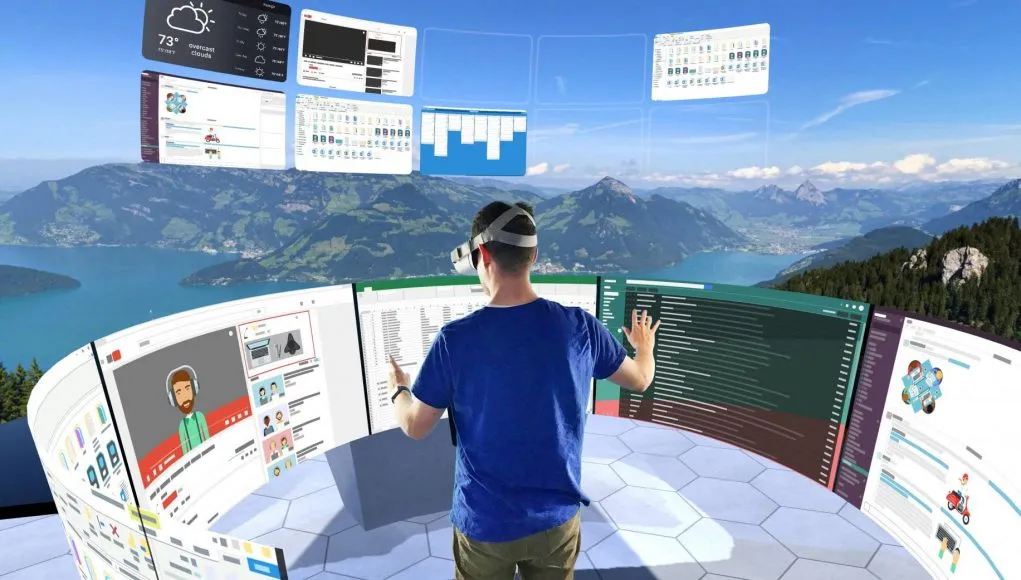
Controlling Our Work Environment
Empower control over our environments and schedules with virtual tools that facilitate asynchronous interactions.
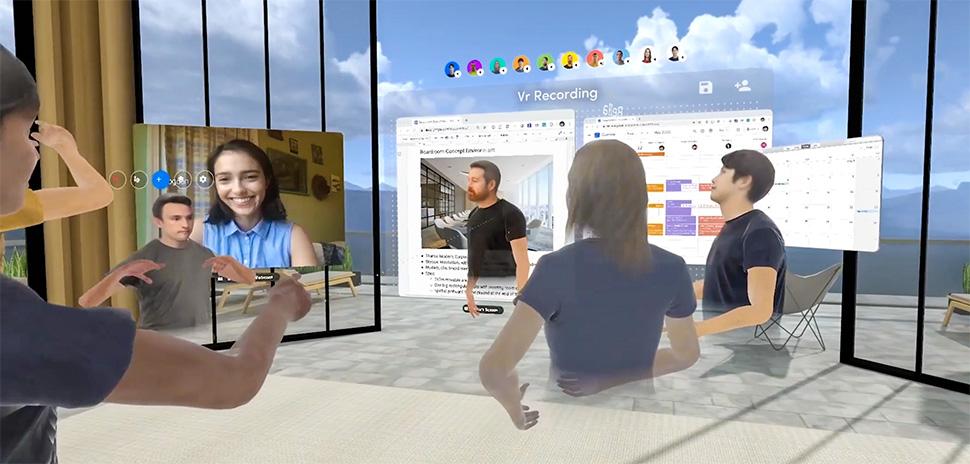
Productive Collaboration
Use group dynamics and real-time collaboration tools to facilitate productive thinking and making.
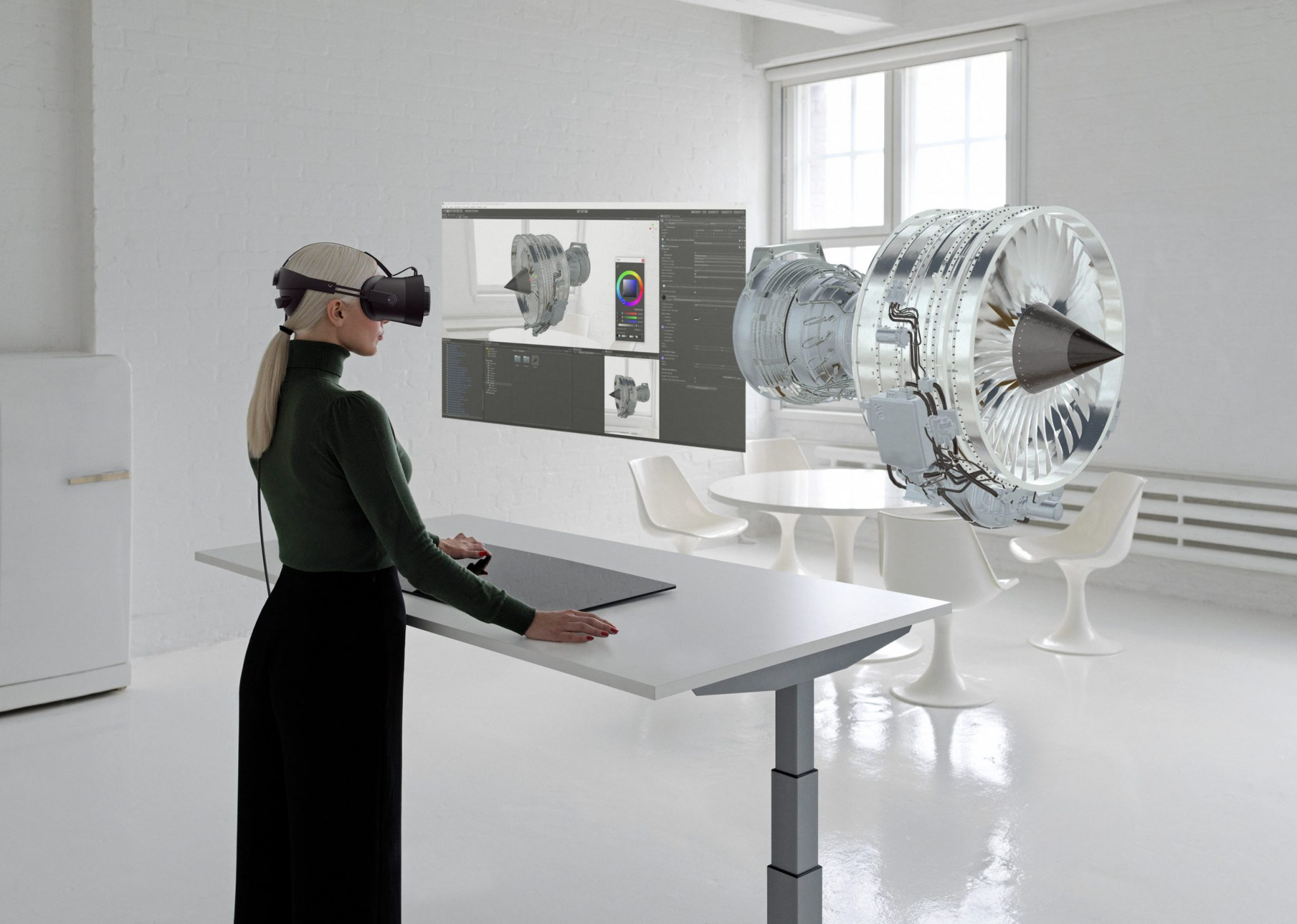
Switching Between Contexts
Enable quick and effortless context switching to maximize the power of immersive experiences.
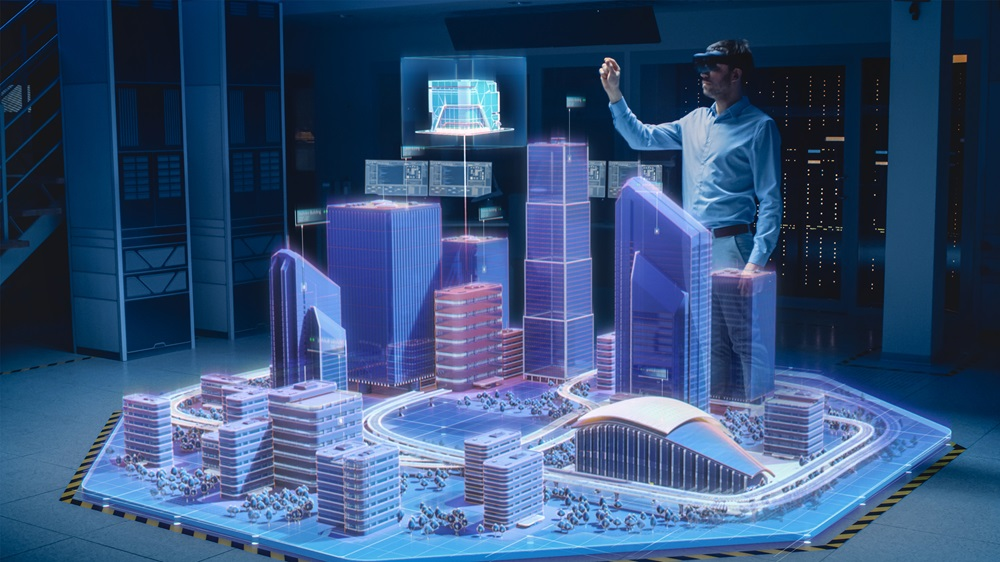
Experimental Learning
Encourage learning through quick, tangible, safe, and scrappy virtual experiments.
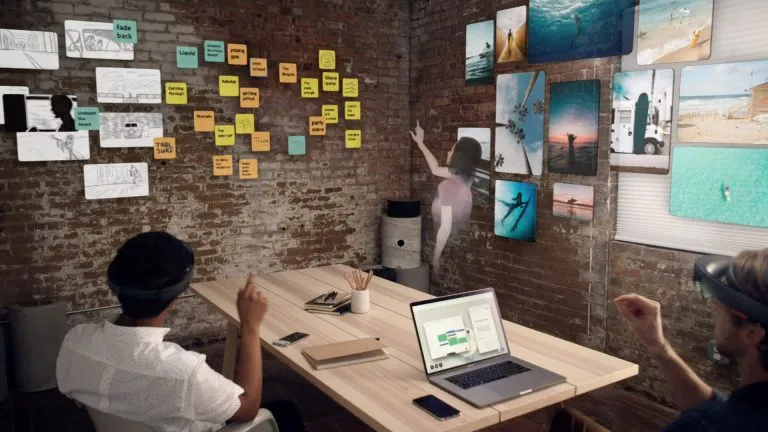
Engaging Storytelling
Use 3D visual aids & environments to facilitate storytelling, presentation, collaboration, and feedback.
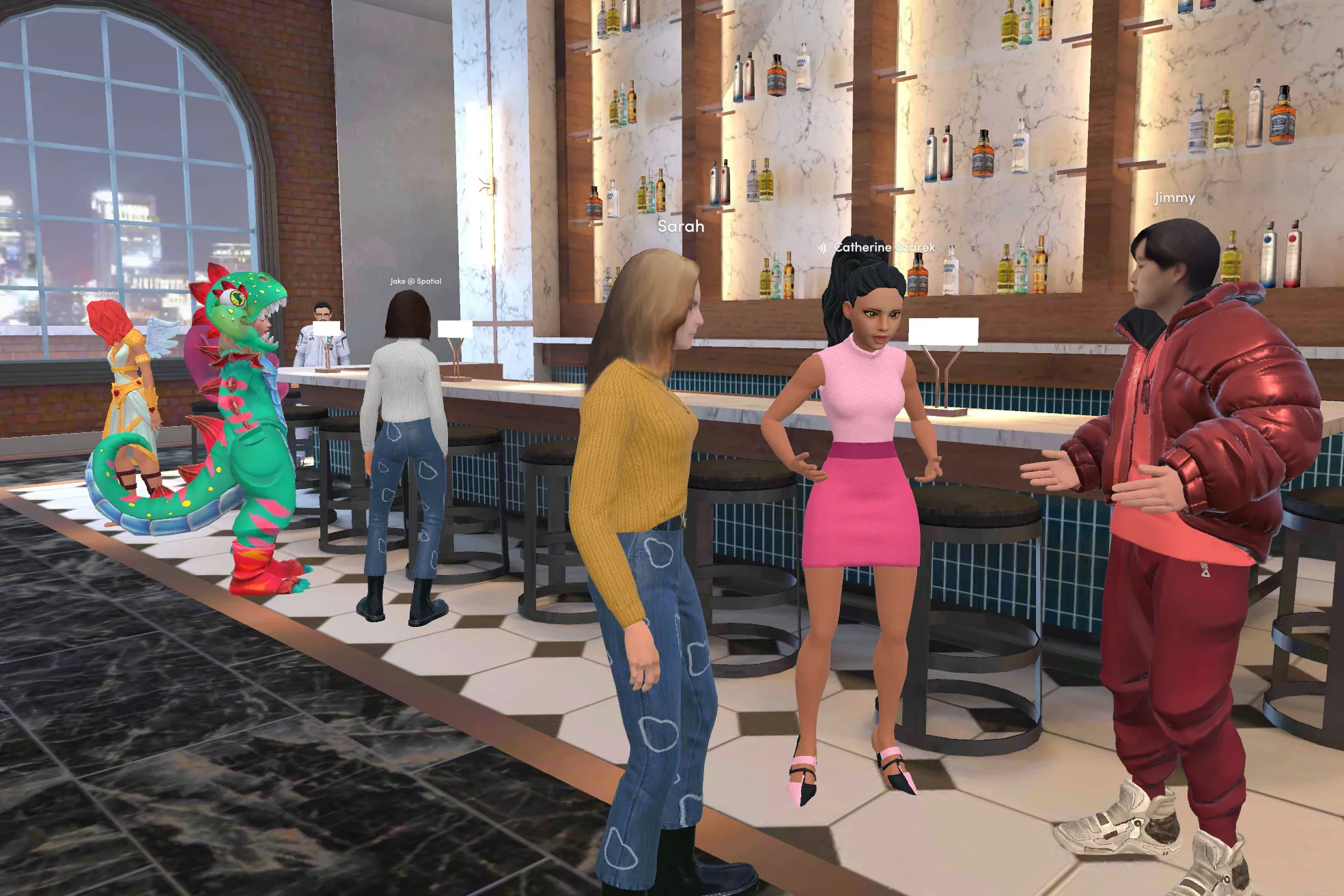
Spontaneous Inspiration
Discover and share inspiring and energizing content through spontaneous virtual encounters.
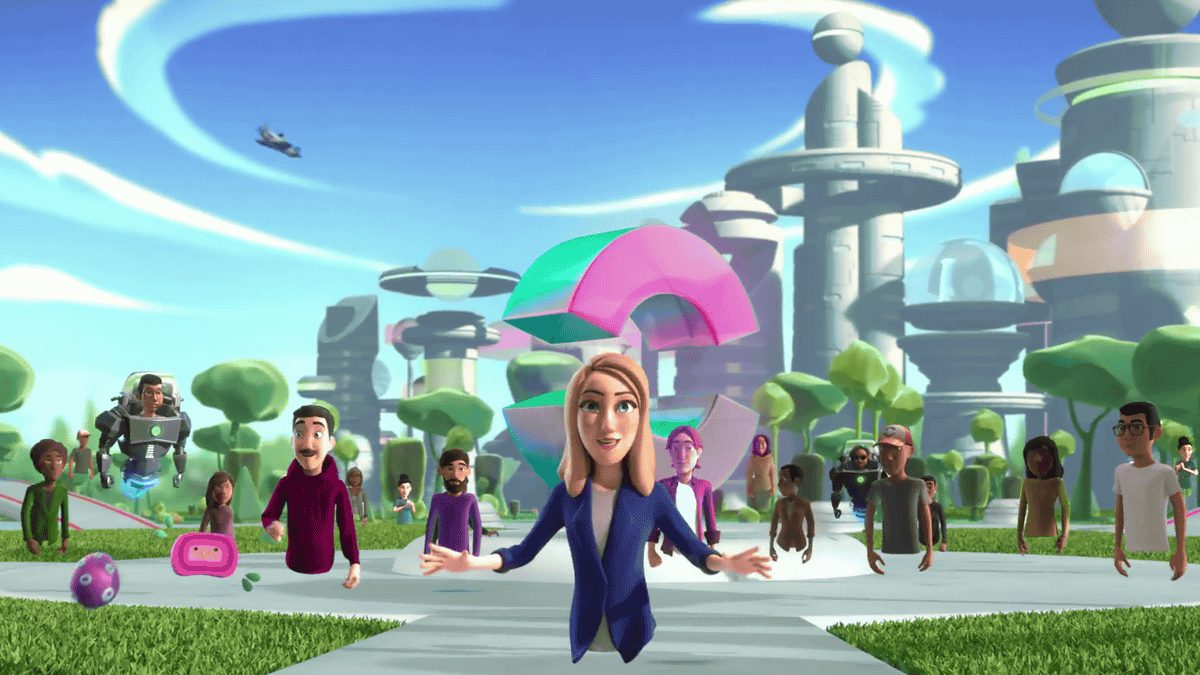
Strengthening Social Ties
Leverage virtual experiences to connect with our network and strengthen relationships.
Design Process
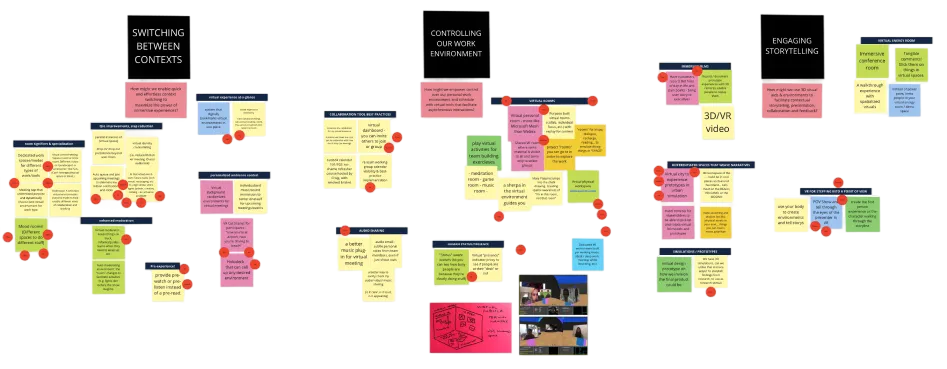
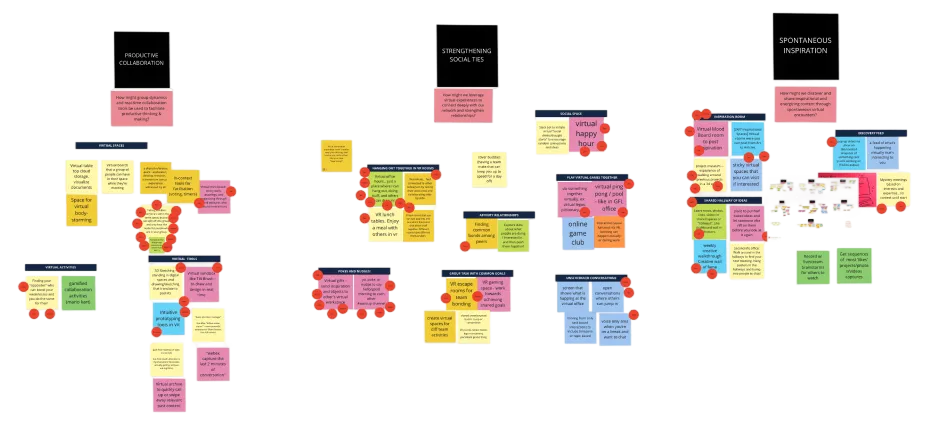
Ideation
Unconstrained generative ideation based on opportunity areas— imagining the best possible experiences for how VR could be used for workplace productivity and wellbeing
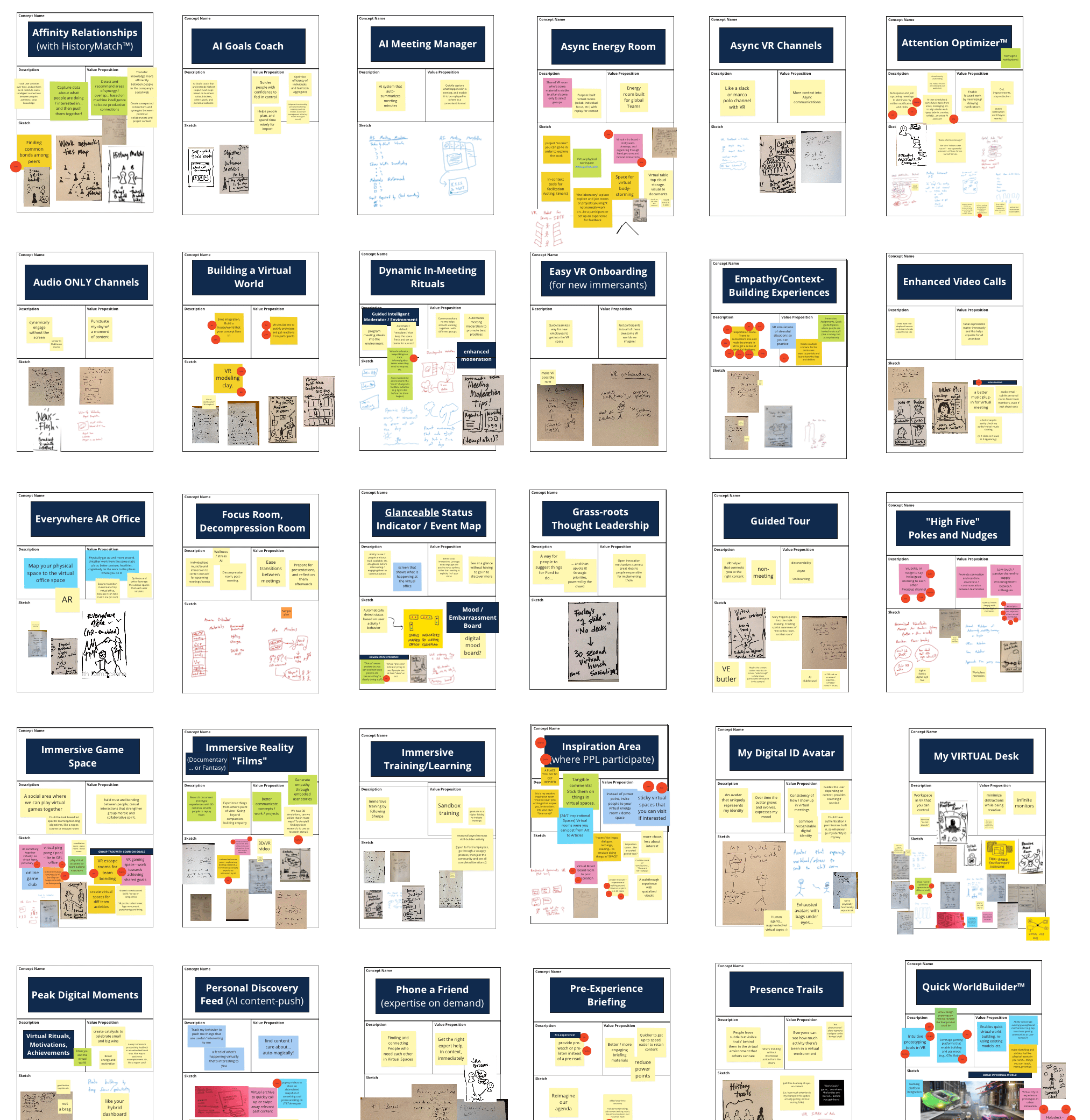
Concept Clustering
Combining similar ideas and pruning the total number of concepts down to the most promising
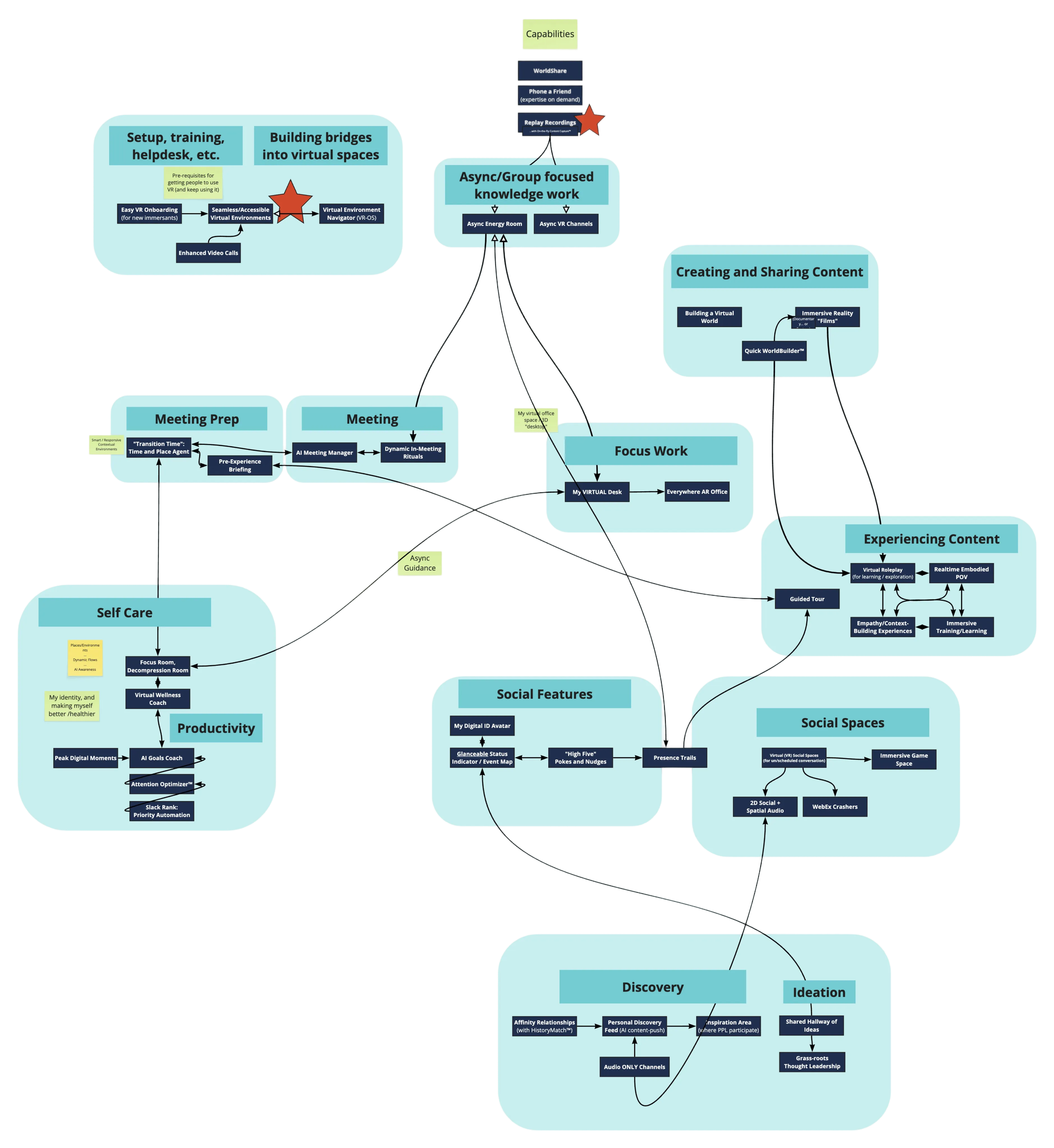
Context Identification
Cross-referencing all of the concepts to identify a distinct set of contexts/scenarios that they all fell into
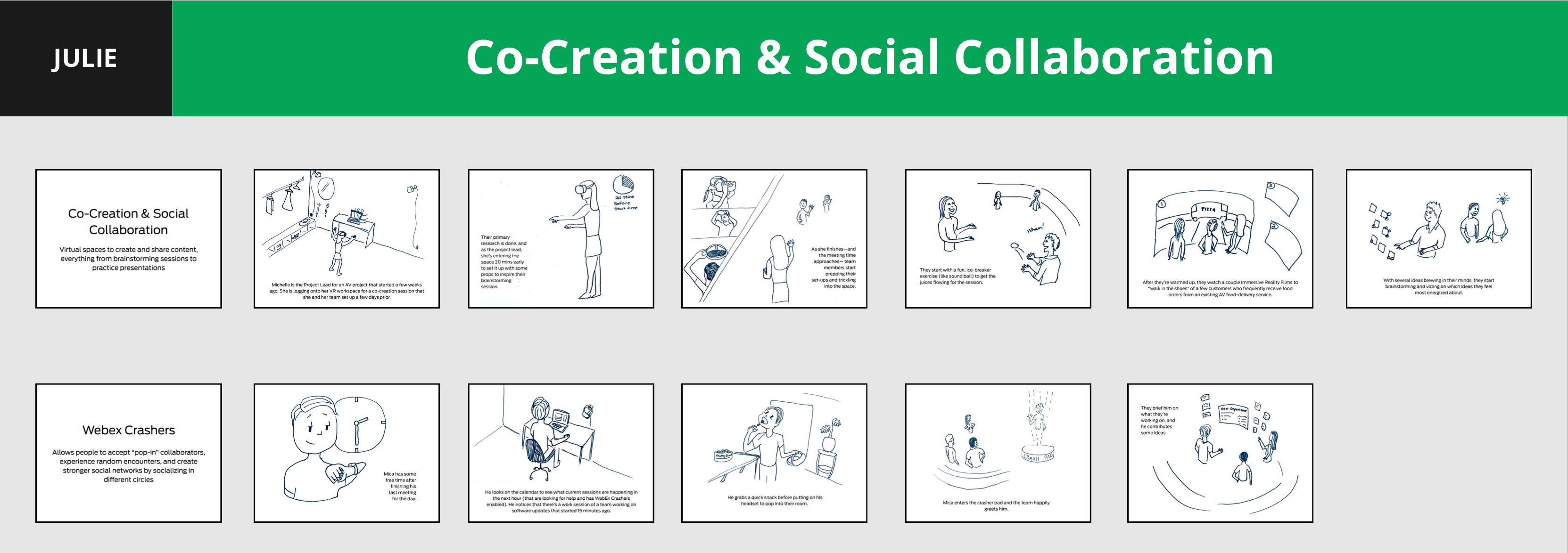




Storyboarding
Take the concepts and contexts and making them tangible and relevant through embodied narratives and quick sketches to illustrate people, spaces, objects, interactions, passage of time, etc.